
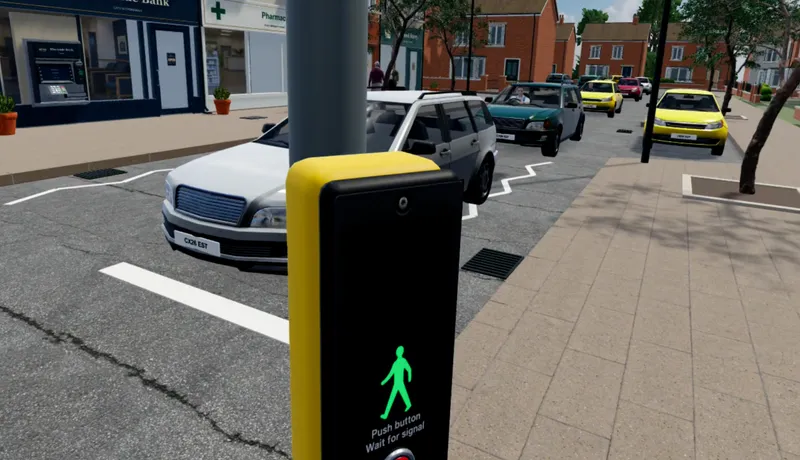
Travel and everyday independence
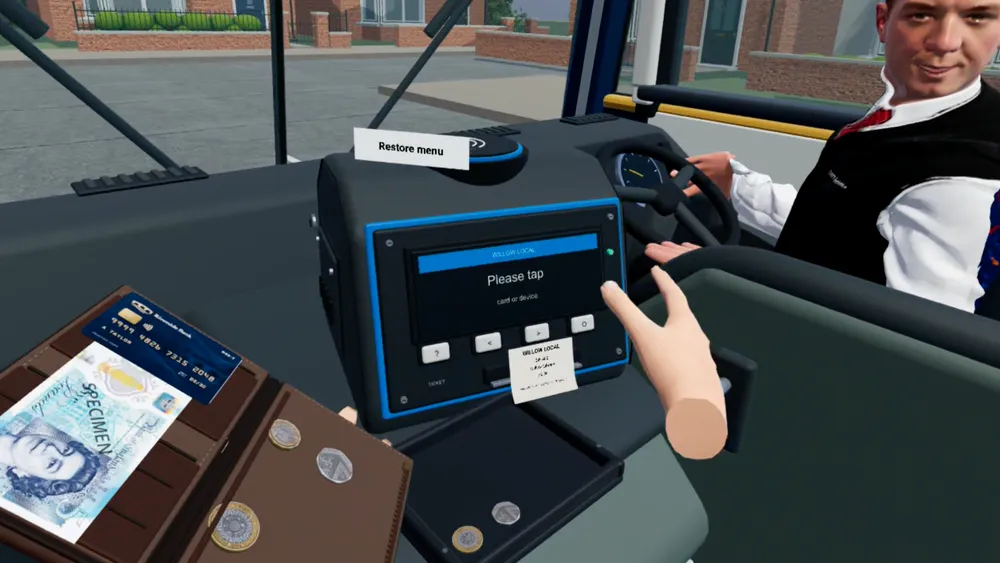
Practise paying a bus fare, reading crossing signals and completing errands in supervised Studio scenes.
Bus journeys, supermarket shopping, making a cup of tea: CorteXR gives occupational therapists and neurorehabilitation teams everyday activities on a VR headset. Choose the product, activities and available settings that fit your work.
Products
For OT and neurorehabilitation teams
Bring real-world situations into the room, choose activities around the session and review what happened together.
Explore CorteXR Studio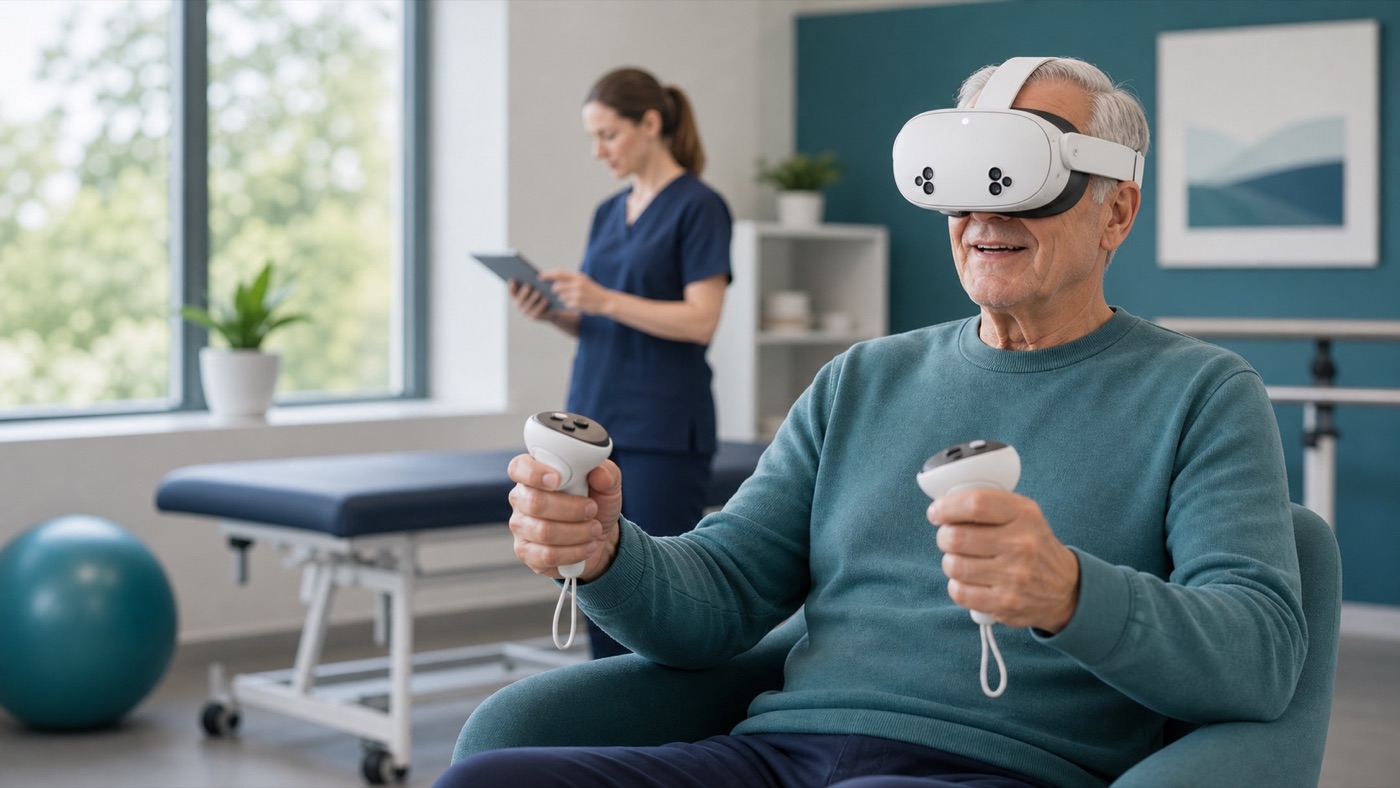
For stroke services
VR practice with everyday tasks, clinician-led programmes and activity review. The VIRTUE research background includes a published phase 2b randomised controlled trial (2022).
Explore CorteXR StrokeInside CorteXR Studio
Bring a kitchen, supermarket or community scene into a supervised session. Studio gives you activities that would otherwise need equipment, space or a trip outside.
Clients look around, choose objects and work through steps while you supervise. You select the activity, adjust the available settings and interpret what you observe.
Practise paying a bus fare, reading crossing signals and completing errands in supervised Studio scenes.
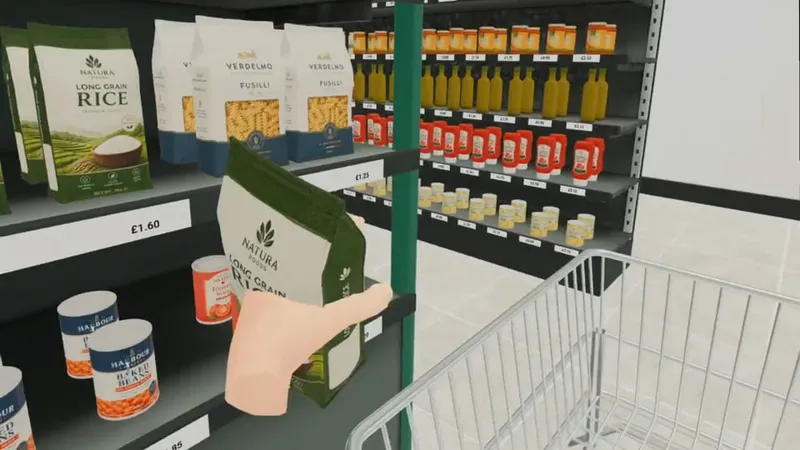
Follow a list, search the shelves and choose between items in a supermarket setting.
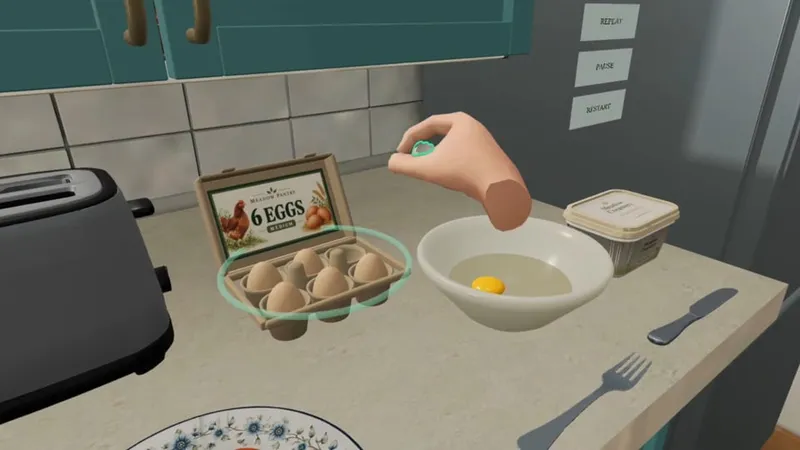
Bring object use, planning and sequence into familiar food preparation activities.
Practical delivery
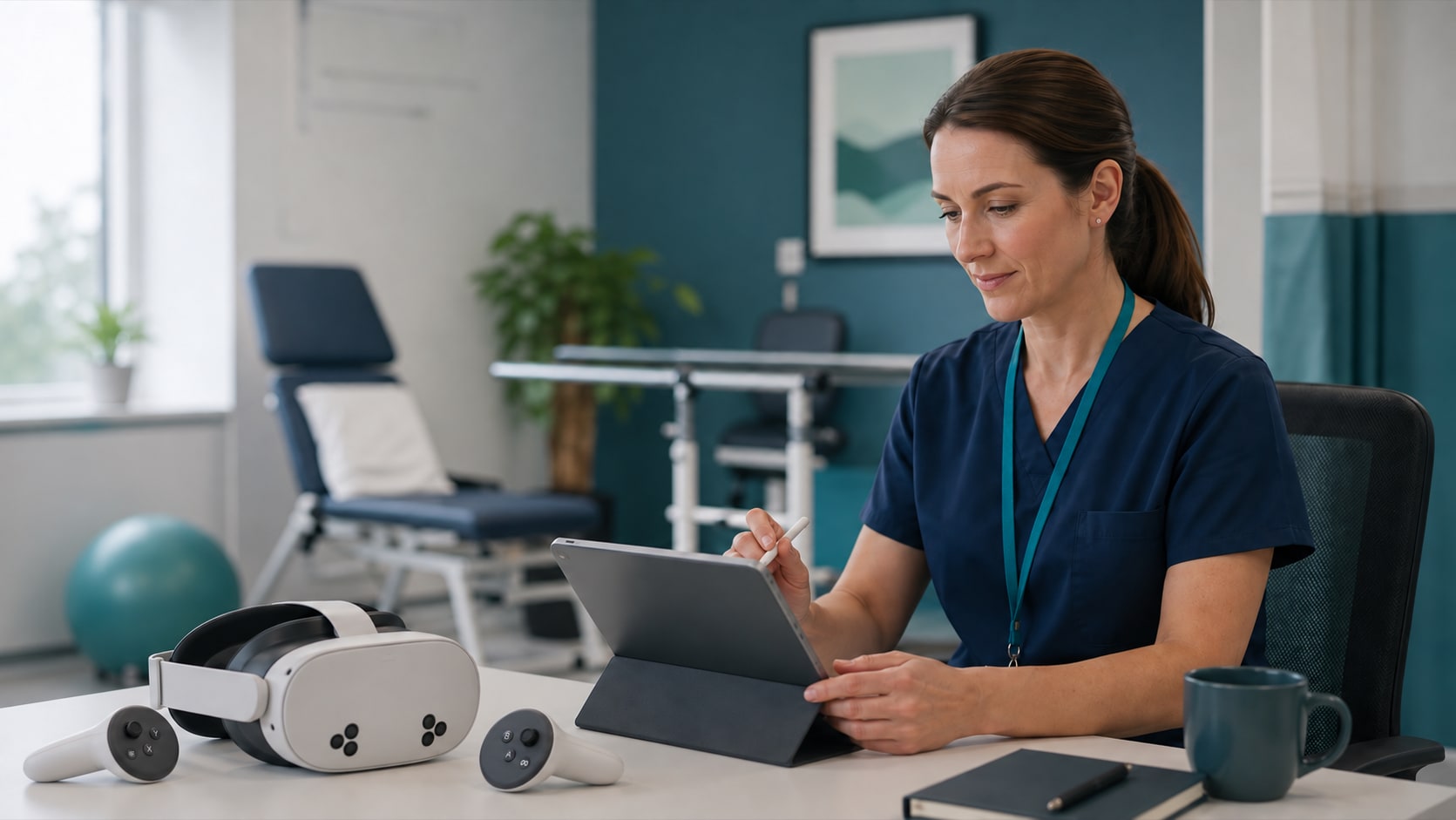
Choose from ready-made activities, lead the session and review what happened.
Where CorteXR fits
Explore how each product fits the work of your team.
For rehabilitation centres and multidisciplinary teams seeking structured real-world situations alongside their existing technology and therapy.
CorteXR for neurorehabilitationGive OTs access to immersive everyday activities without creating or physically recreating every setting.
See the independent practice offerReview the activities, clinical evidence and deployment information for CorteXR Stroke.
Explore CorteXR StrokeTell us about your service and the people you work with. We’ll show you the relevant activities and answer your questions.