
For clinicians
Configure cognitive stroke rehabilitation activities, adapt difficulty, and review activity information to support therapy planning.
CorteXR Stroke combines immersive Activities of Daily Living with clinician-led programme setup, activity review, and support for stroke rehabilitation services.
What CorteXR Stroke is
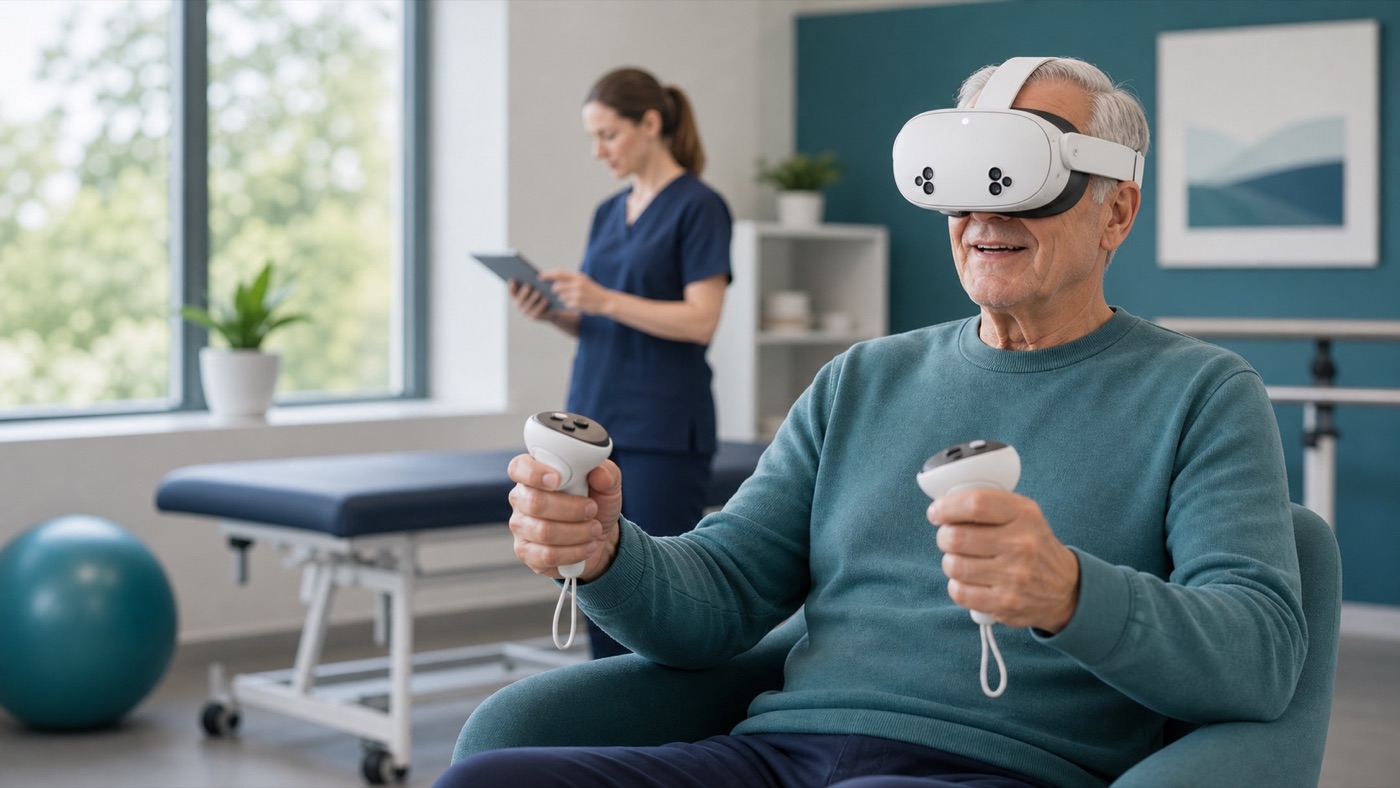
CorteXR Stroke is designed for stroke rehabilitation services that want structured, repeatable cognitive practice using standalone VR headsets. Patients complete familiar daily tasks in virtual environments while clinicians configure activities and review activity data through a clinical portal.
CorteXR Stroke does not replace therapy or clinical judgement. It supports clinician-led cognitive stroke rehabilitation pathways by making practice more immersive, repeatable, measurable, and easier to continue across care settings.
Who it supports
Configure cognitive stroke rehabilitation activities, adapt difficulty, and review activity information to support therapy planning.
Practise familiar daily tasks in immersive environments designed around memory, attention, sequencing, and problem solving after stroke.
Access headset setup guidance and practical support resources when therapy continues beyond the clinic.
How it works
The workflow is designed to be easy for clinicians to understand: choose the patient, assign relevant activities, support practice, then review what happened.
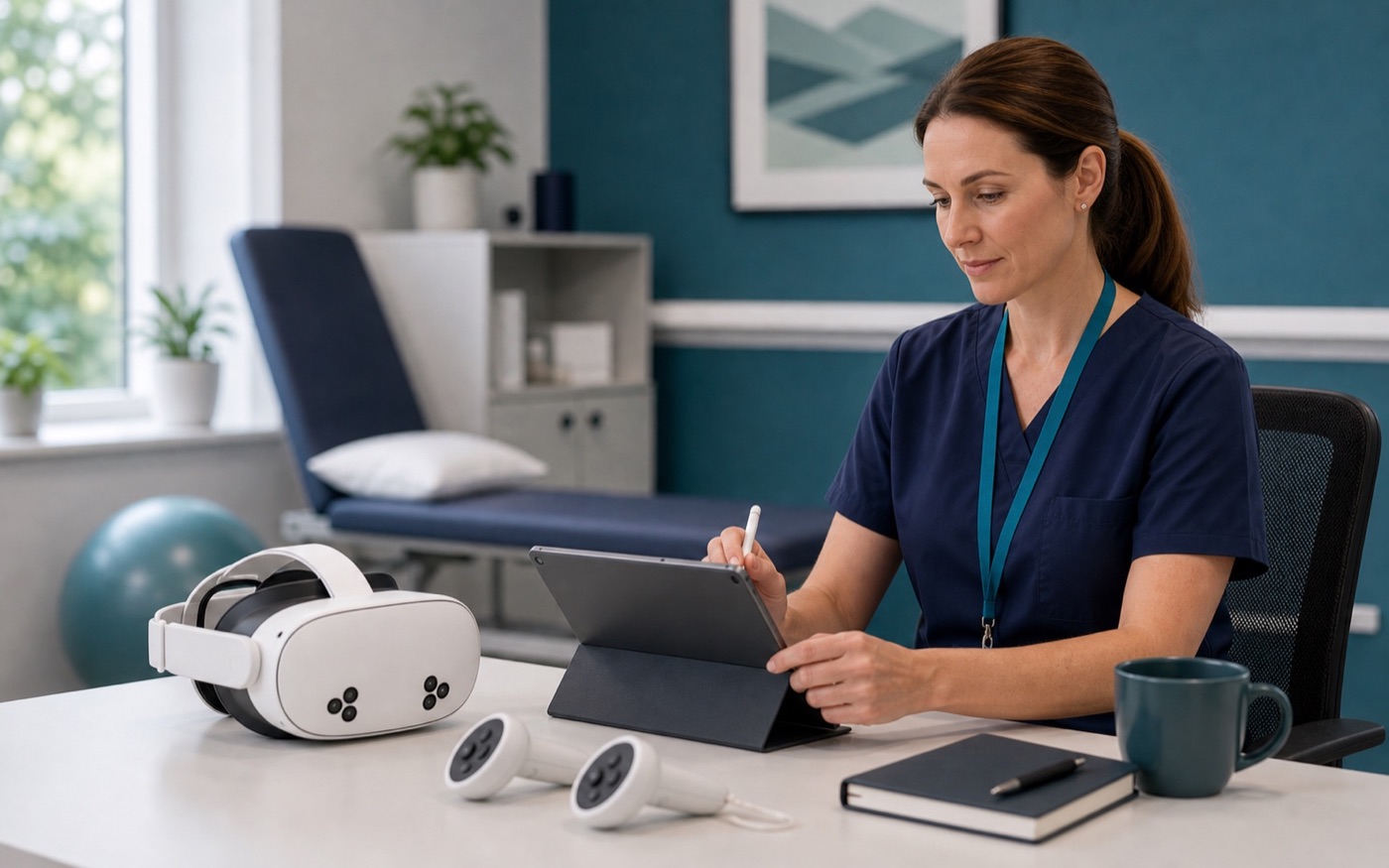
VR therapy activities
Exploring our non-medical product too? Watch the CorteXR Studio activity demonstrations.
Activities of Daily Living are used because they connect cognitive stroke rehabilitation to recognisable everyday tasks rather than abstract exercises alone.
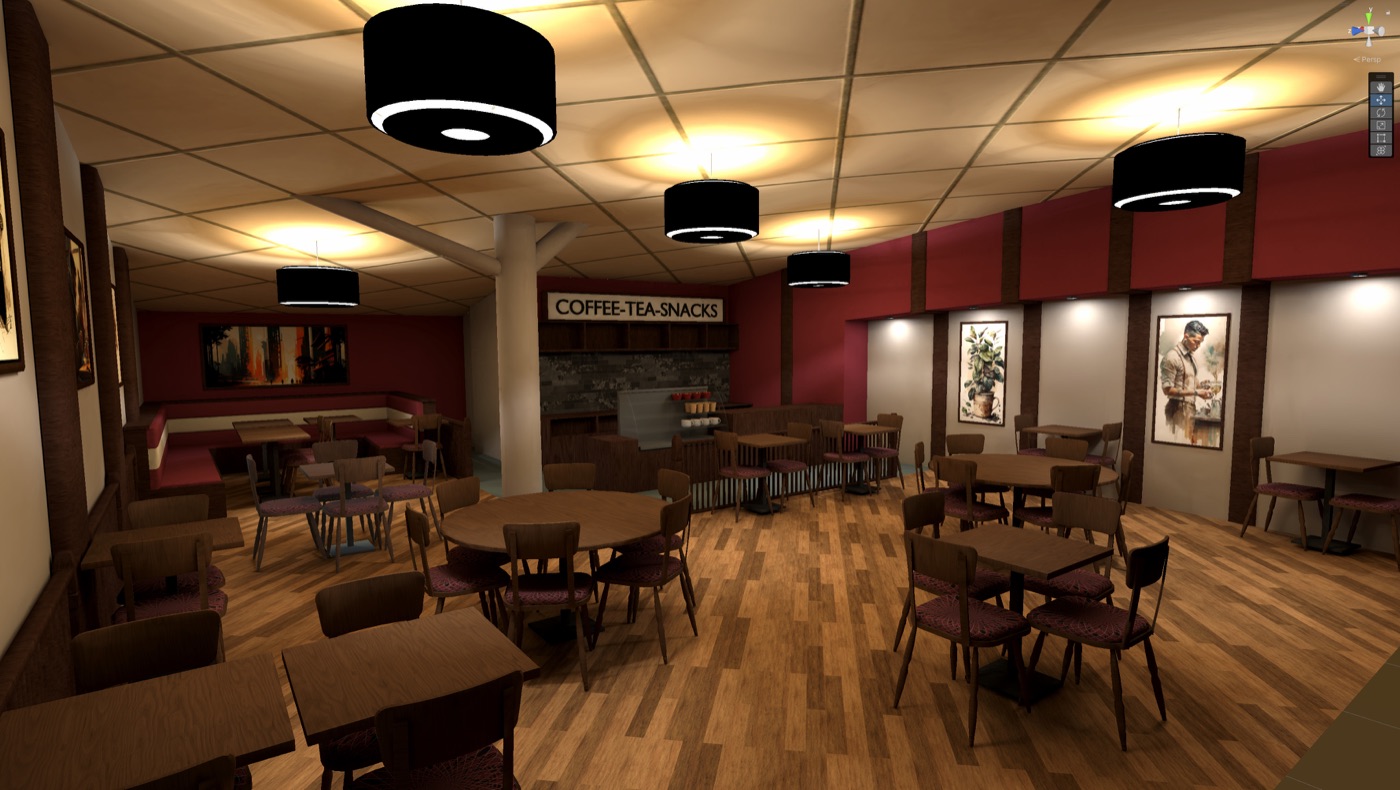
CorteXR Stroke simulates real-life tasks in virtual environments, allowing patients to practise everyday activities like making toast or counting change in a cafe. This real-world relevance helps connect cognitive stroke rehabilitation to familiar routines.
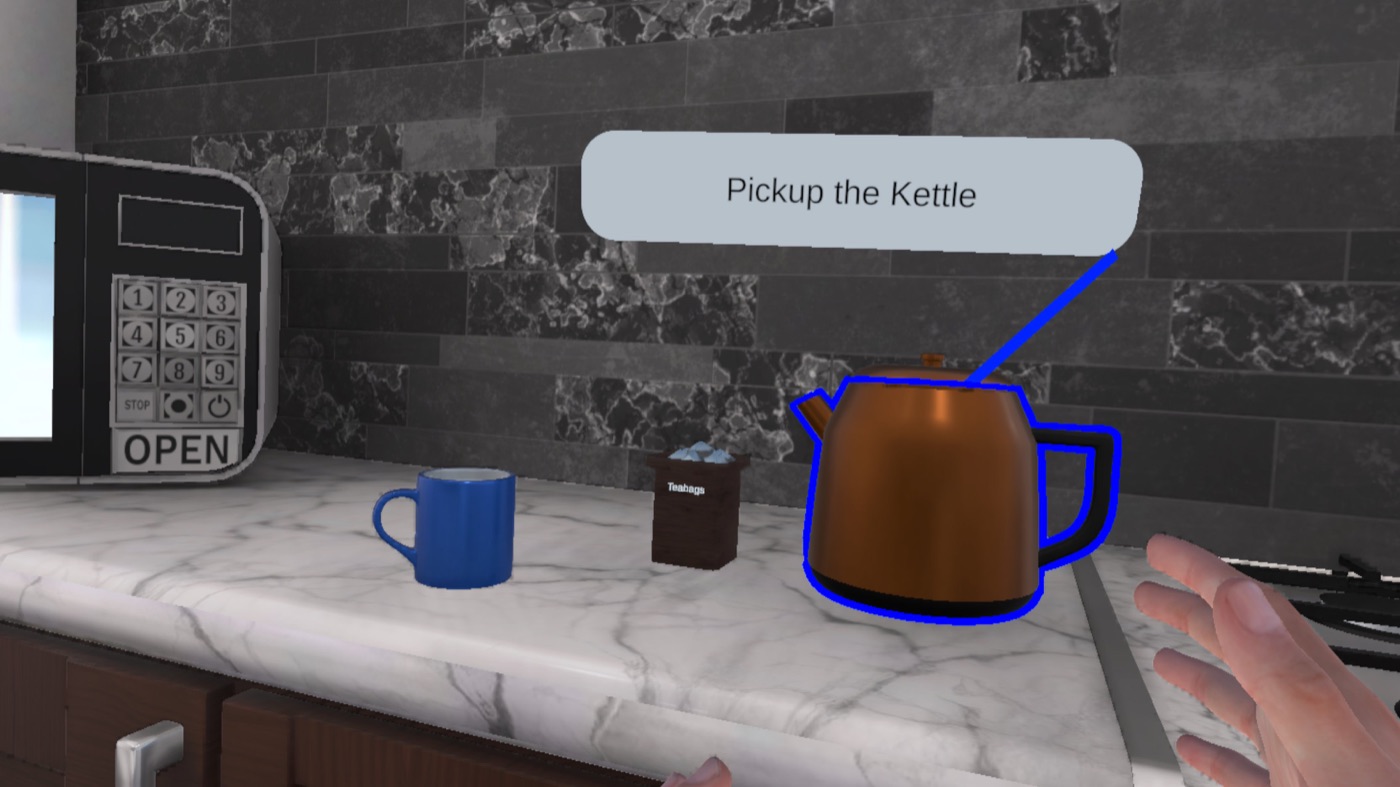
Each VR activity can be tailored to the patient’s abilities, with adaptable steps and task complexity. This supports graded practice at a level selected by the clinical team.
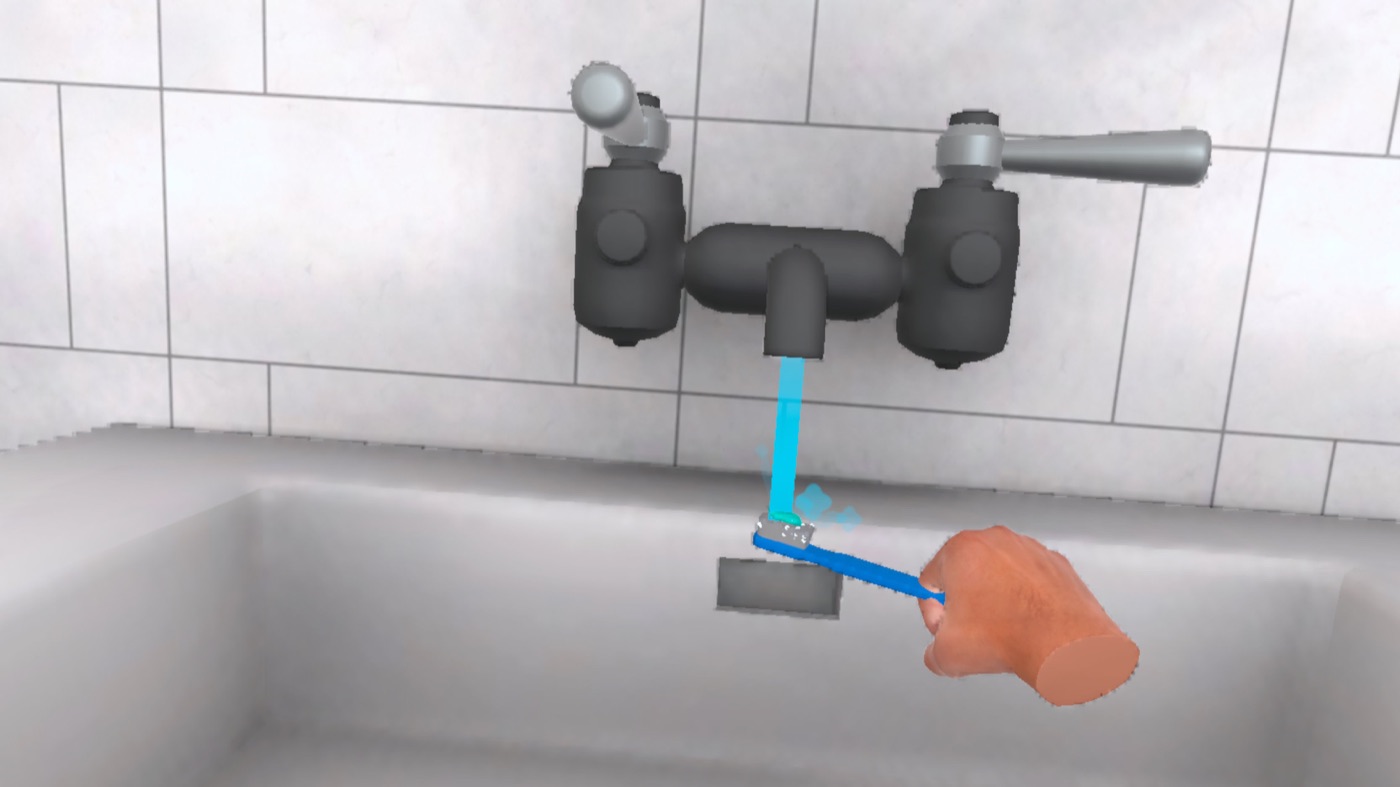
VR enables patients to safely repeat tasks as often as needed, supporting cognitive practice through repetition without the physical risks of real-world practice.
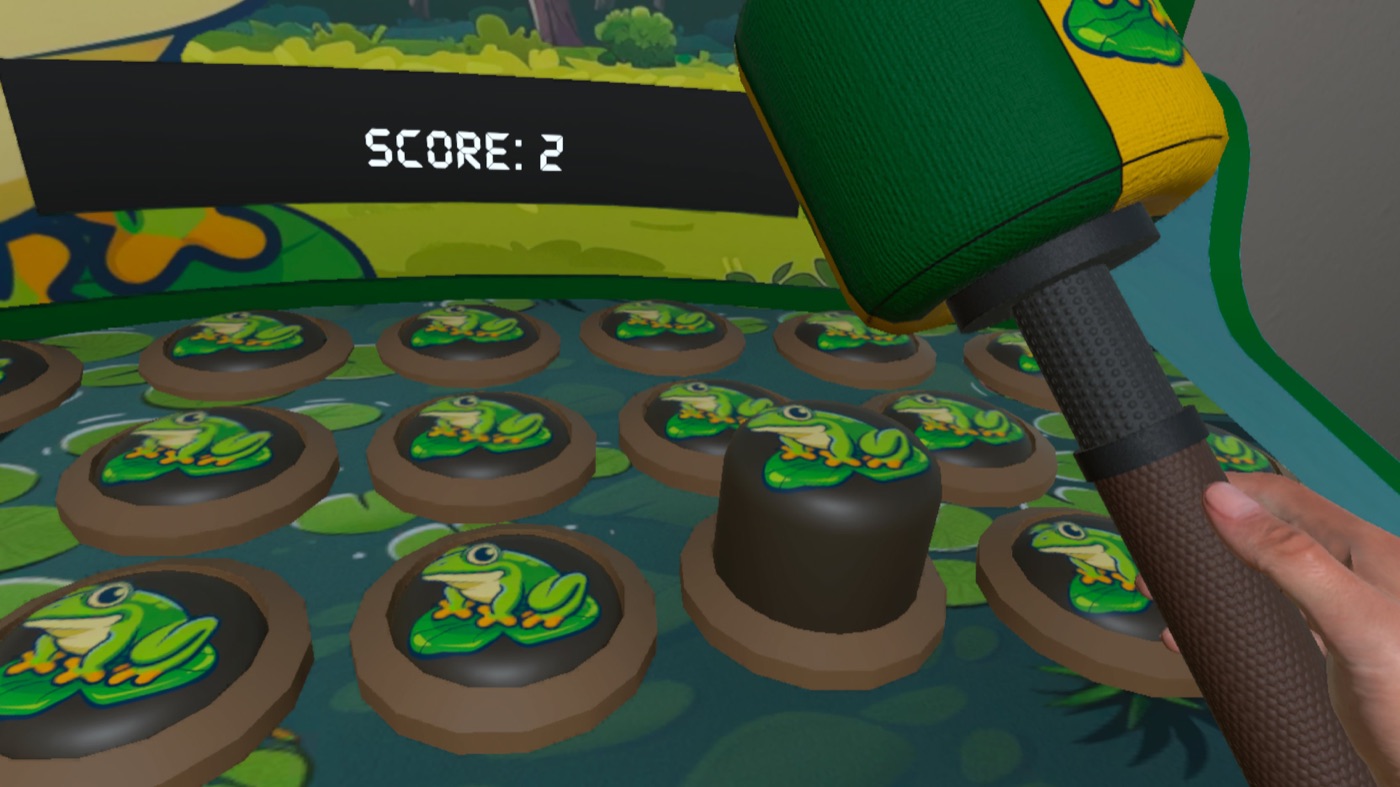
In VR, patients can receive interactive feedback on task performance, helping them notice errors and practise with clearer guidance.
Clinical portal
The clinical portal is the operational layer for clinicians using CorteXR Stroke. It supports programme setup, activity grading, patient review, and session follow-up so VR therapy can sit inside normal stroke rehabilitation workflows.
Clinicians can review casted VR activity during sessions, check activity data over time, and adjust programme difficulty based on how the patient is performing.
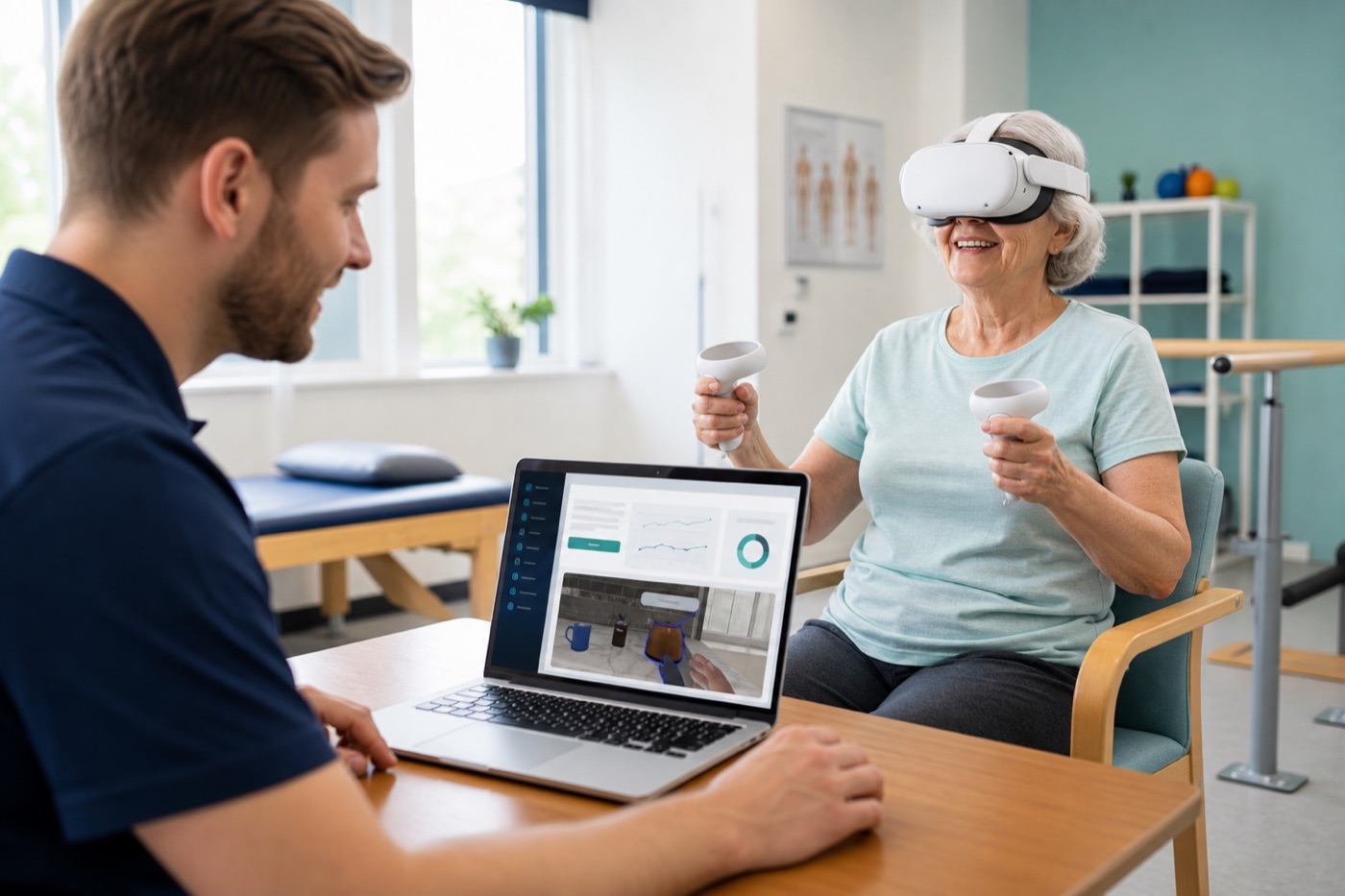
Live session review
Casting helps clinicians, carers, and support staff understand what the patient is doing in VR, making setup, guidance, and session review easier.
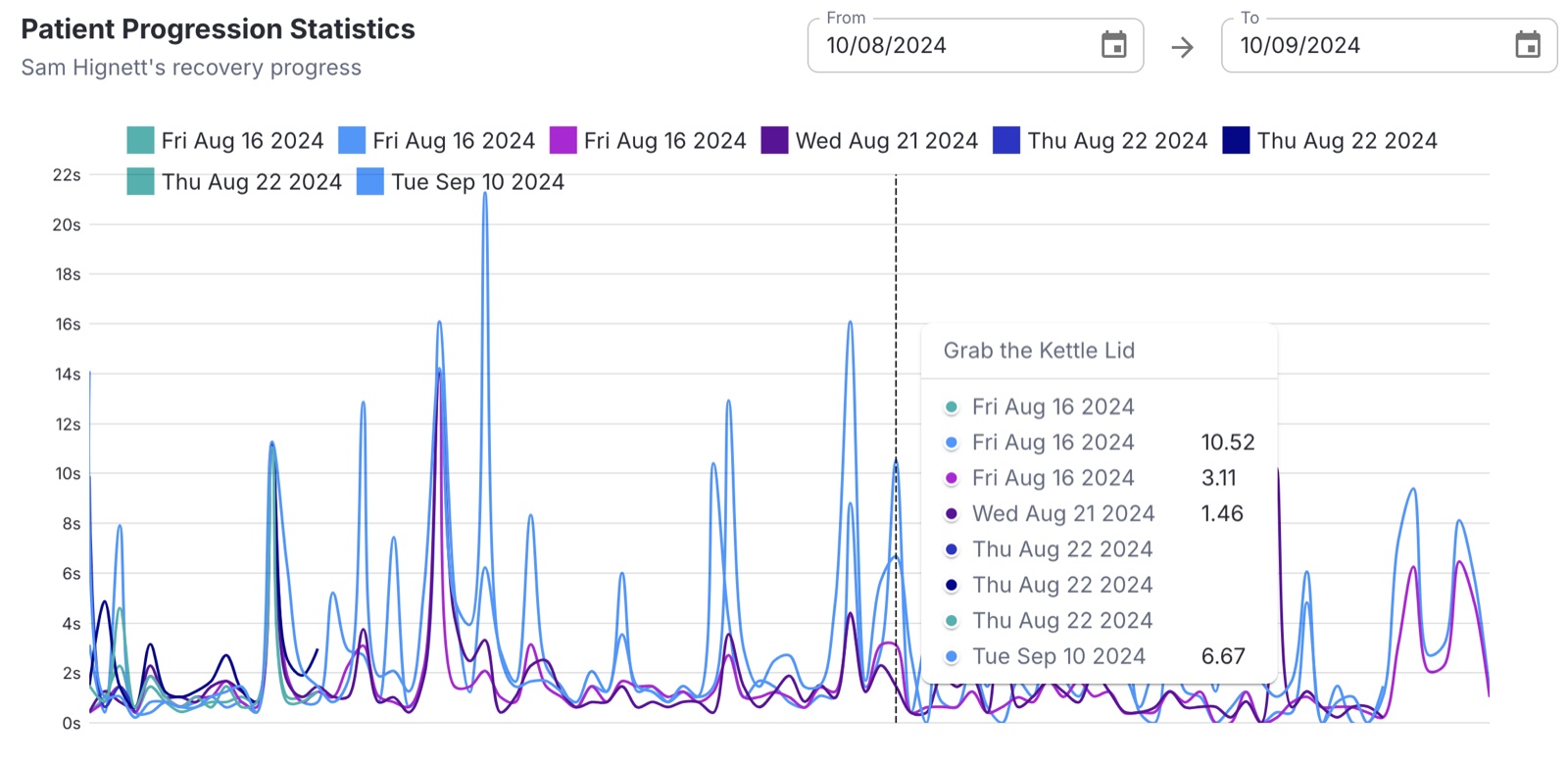
Review activity-level performance over time to understand engagement, repetition, and changes across therapy sessions.
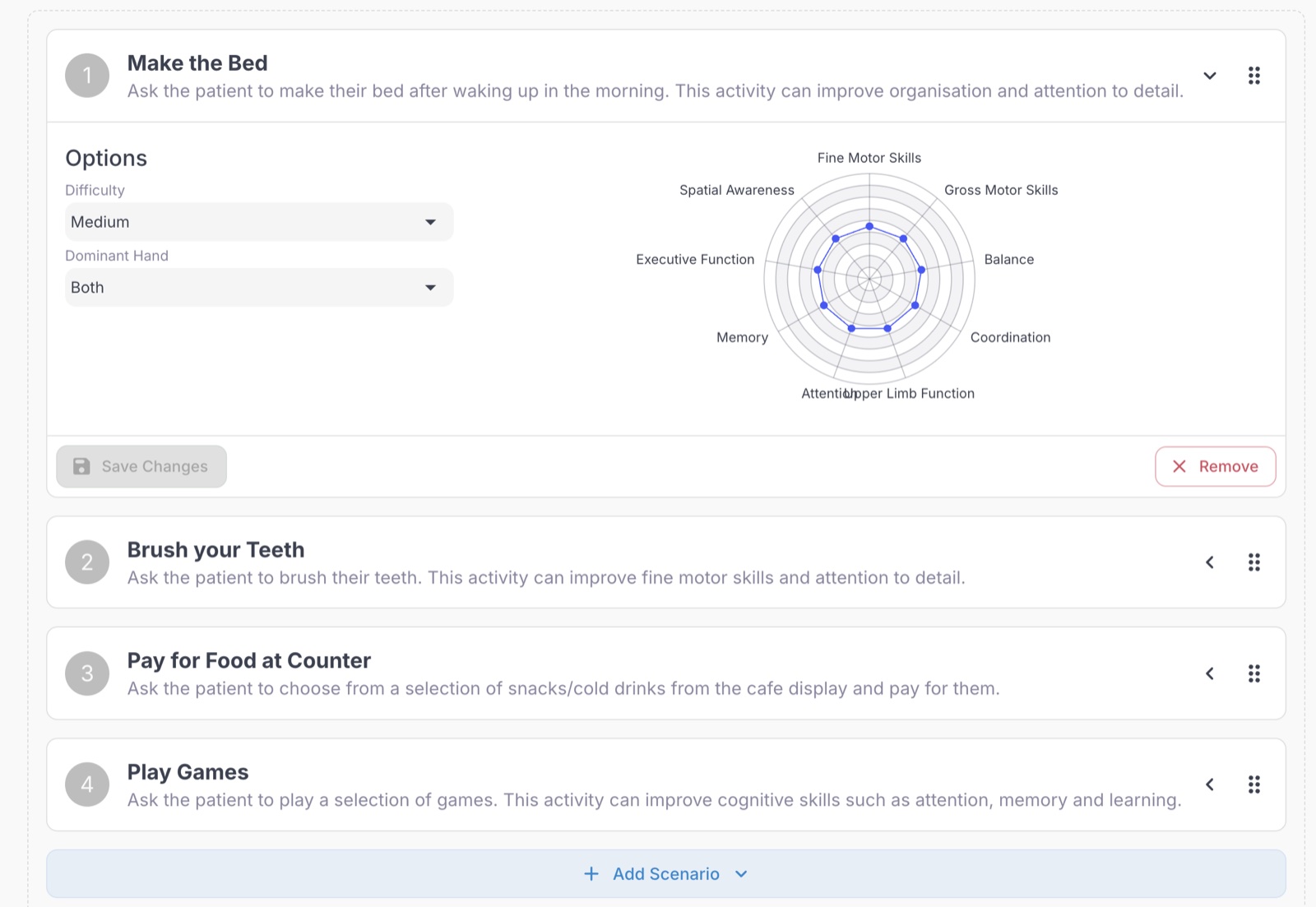
Configure task difficulty, activity steps, and cognitive skill focus so programmes can be matched to patient ability and goals.
Clinical and regulatory credibility
CorteXR Stroke is a clinician-led cognitive stroke rehabilitation product with published clinical evidence and governed deployment material available for review.
For NHS and clinical partners, CorteXR Stroke has UKCA Class I medical device information, MHRA registration details, clinical safety documentation aligned with DCB0129, DTAC evidence, data protection and security material, and deployment support documentation available for review.
Commissioning and procurement teams can request the documentation they would normally expect for a governed clinical technology review.
Book a Stroke demo View evidence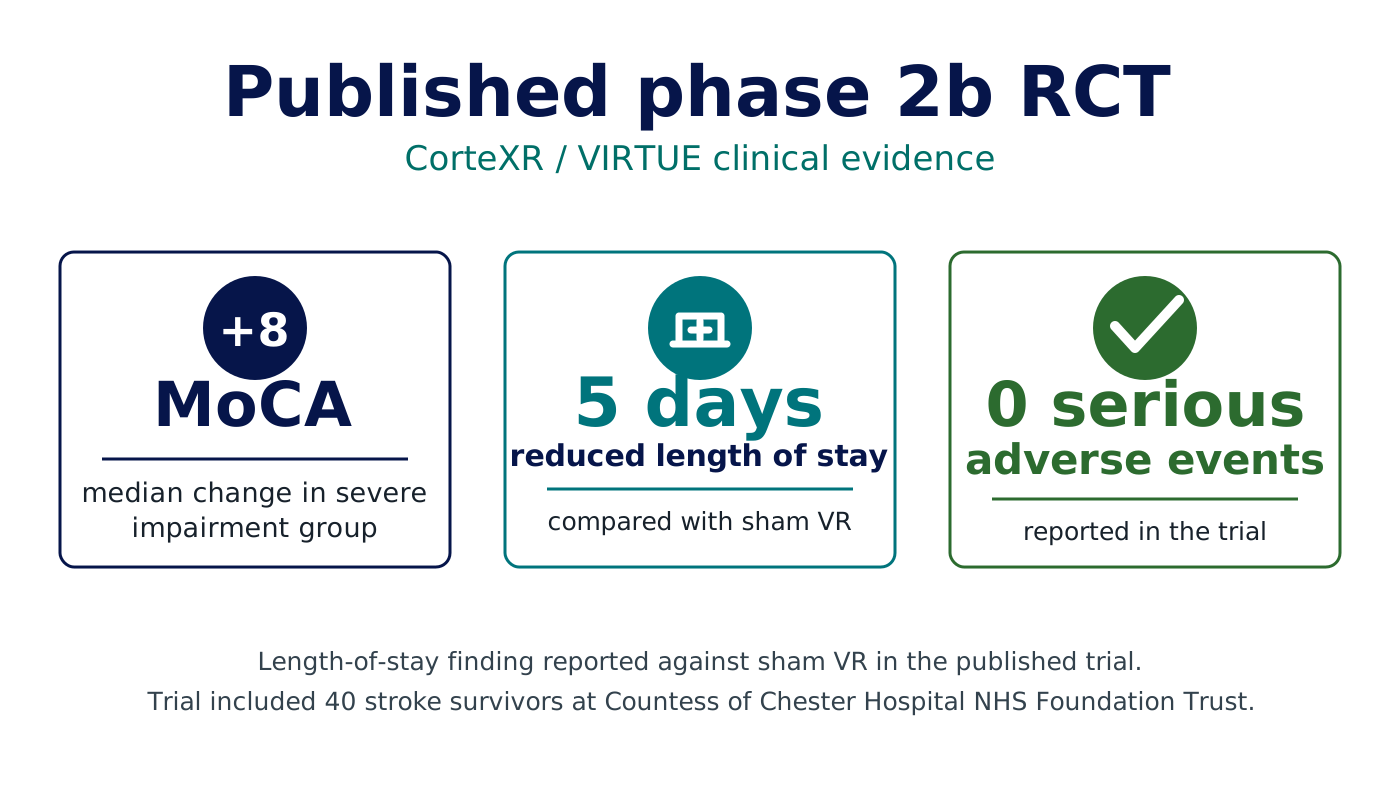
Use settings
Support and onboarding
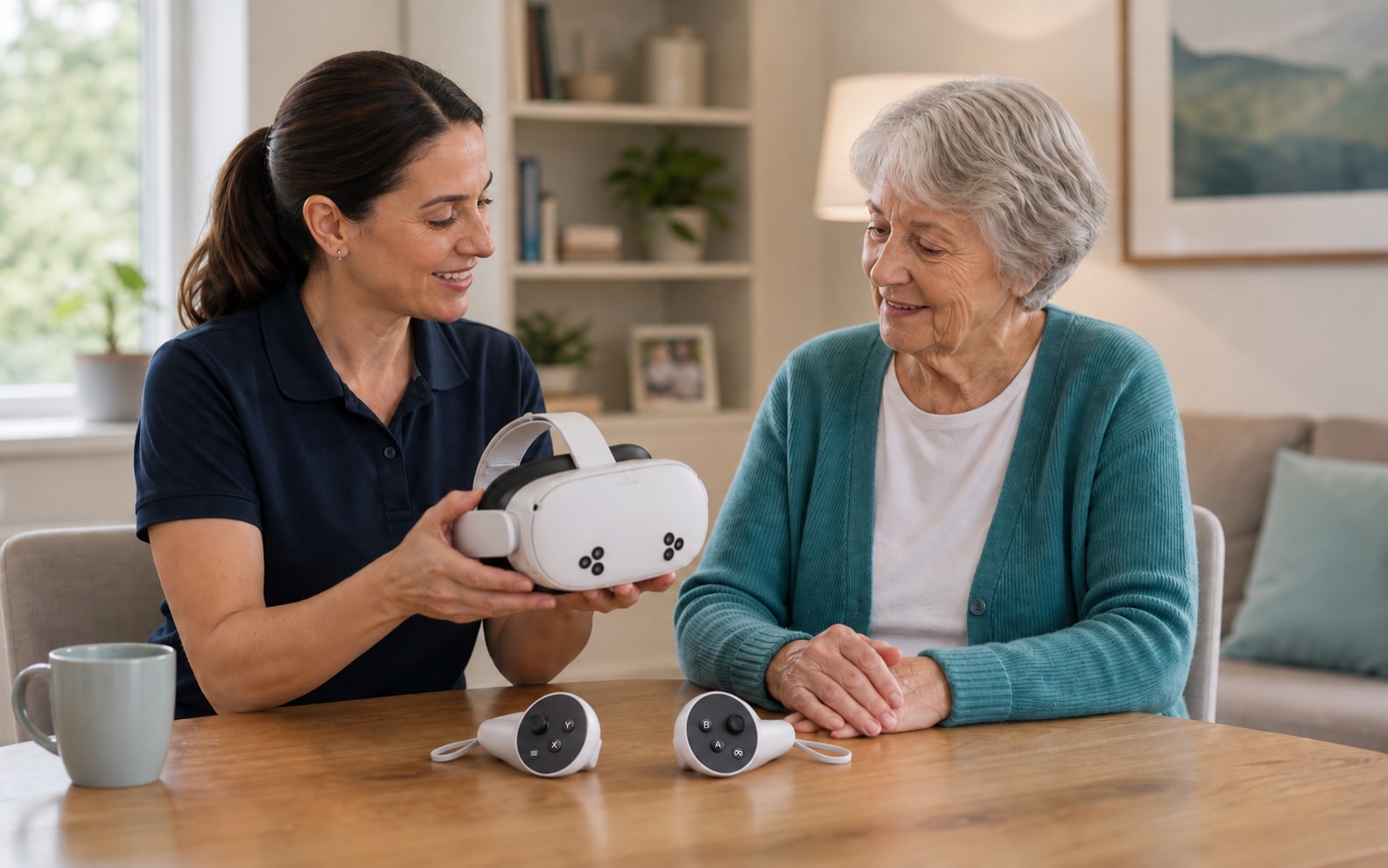
The support area gives clear headset setup guidance, activity videos, and troubleshooting routes for patients, families, and clinicians. This is especially important when therapy continues at home.
Visit Stroke Support CentreProduct FAQs
CorteXR Stroke is for cognitive stroke rehabilitation, using virtual Activities of Daily Living to support cognitive skills such as attention, memory, sequencing, planning, and problem solving after stroke.
No. CorteXR Stroke is a clinician-led adjunct to existing stroke rehabilitation pathways, not a replacement for clinical judgement or conventional therapy.
Yes, where the clinical team considers home use appropriate. Patient and helper guidance is available through the support area, and the deployment model is confirmed during onboarding.
The evidence page summarises published VIRTUE/CorteXR clinical work and links to the paper. Outcome findings are presented in the context of the published study and procurement documentation.
Next step
If you are exploring clinician-led VR cognitive rehabilitation, book a demo to review pathway fit, deployment questions, evidence, and next steps.