
Stroke Association
UK charity offering information, support, helpline services, and practical guidance for stroke survivors and families.
Open resourceResources
Find trusted external guidance, practical CorteXR support, cognitive rehabilitation explainers, and service-planning resources in one place.
It is intended for signposting and general information only. It is not a substitute for medical advice from a qualified clinical team.
For stroke survivors and families
These links can help patients, helpers, and families find practical stroke recovery information and CorteXR Stroke headset support.
UK charity offering information, support, helpline services, and practical guidance for stroke survivors and families.
Open resourceAccessible NHS information about stroke recovery, rehabilitation, and support after leaving hospital.
Open resourceStep-by-step headset and activity support for patients, helpers, and clinicians using CorteXR Stroke.
Open resourceFor clinicians
These resources help place cognitive stroke rehabilitation, service quality, and emerging digital tools in the wider rehabilitation pathway.
NICE guidance covering assessment, rehabilitation, goal setting, and long-term support after stroke.
Open resourceUK and Ireland stroke guideline resource for clinicians and services involved in stroke care.
Open resourceSentinel Stroke National Audit Programme resources for stroke service quality, data, and audit.
Open resourceFor service leads and partners
These links help service leads understand the product, read the evidence, and arrange a focused conversation about clinical use.
Published trial findings, clinical safety context, and assurance material for services considering CorteXR Stroke.
Open resourceHow immersive ADL therapy, programme grading, session review, and the clinical portal fit together for cognitive stroke rehabilitation.
Open resourceRequest a focused walkthrough for rehabilitation services, clinical stakeholders, or service-planning discussions.
Open resourceStart here
These pages explain why everyday activities matter in cognitive rehabilitation after stroke, how virtual practice can connect to real-world goals, and how families can understand the work.
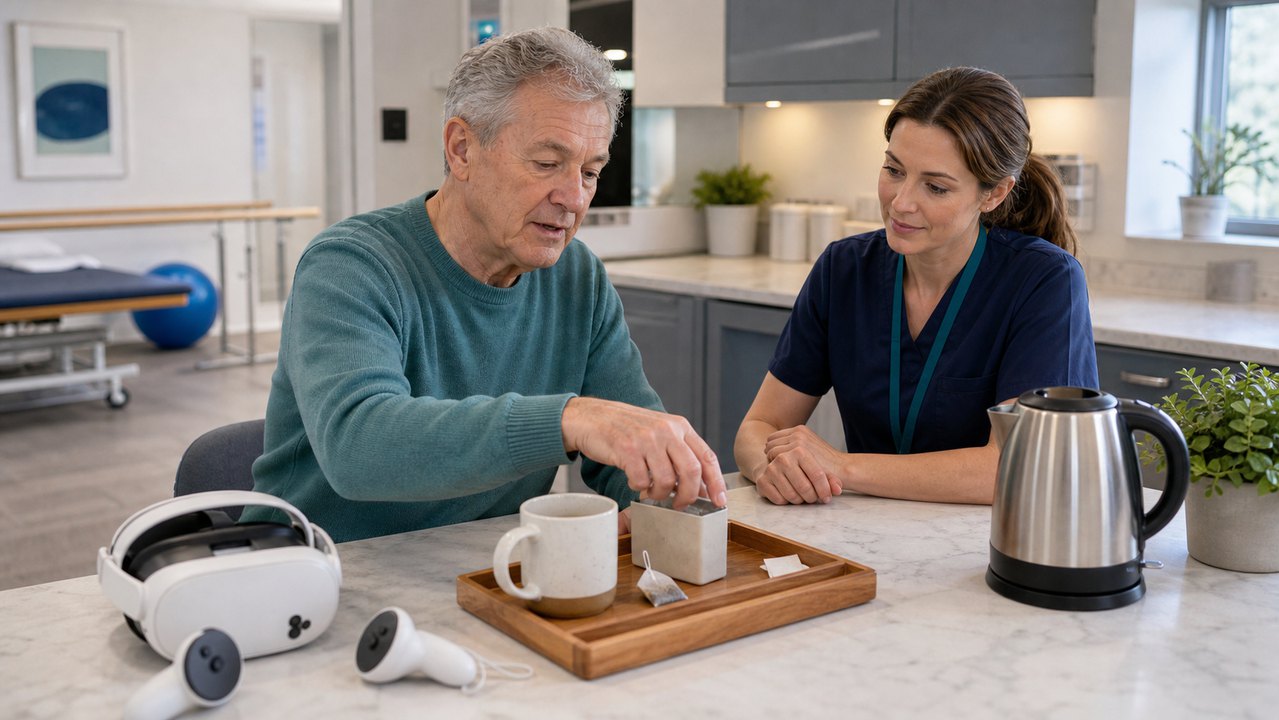 Start here
 What functional cognition means after stroke, how it affects everyday tasks, and why rehabilitation should connect attention, memory, planning, and action.
Read resource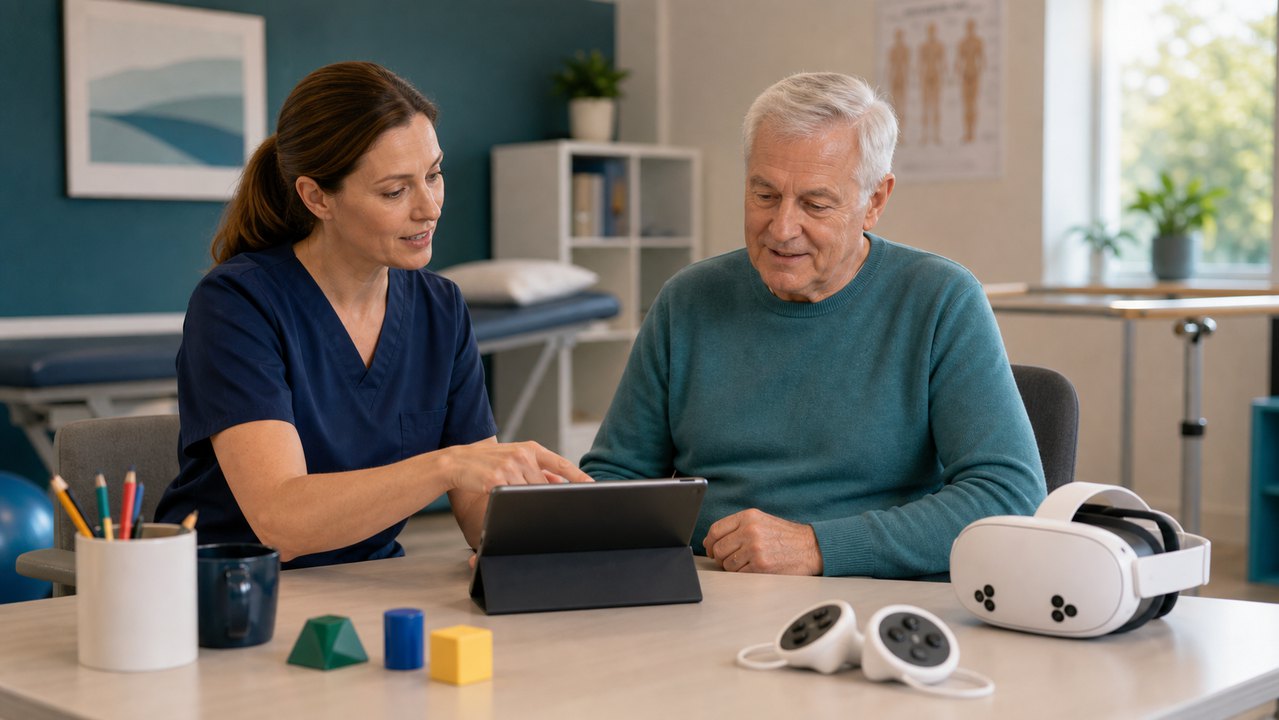 Start here
 An accessible overview of post-stroke cognitive impairment, how it affects daily life, and why rehabilitation should be practical, personalised, and clinically led.
Read resource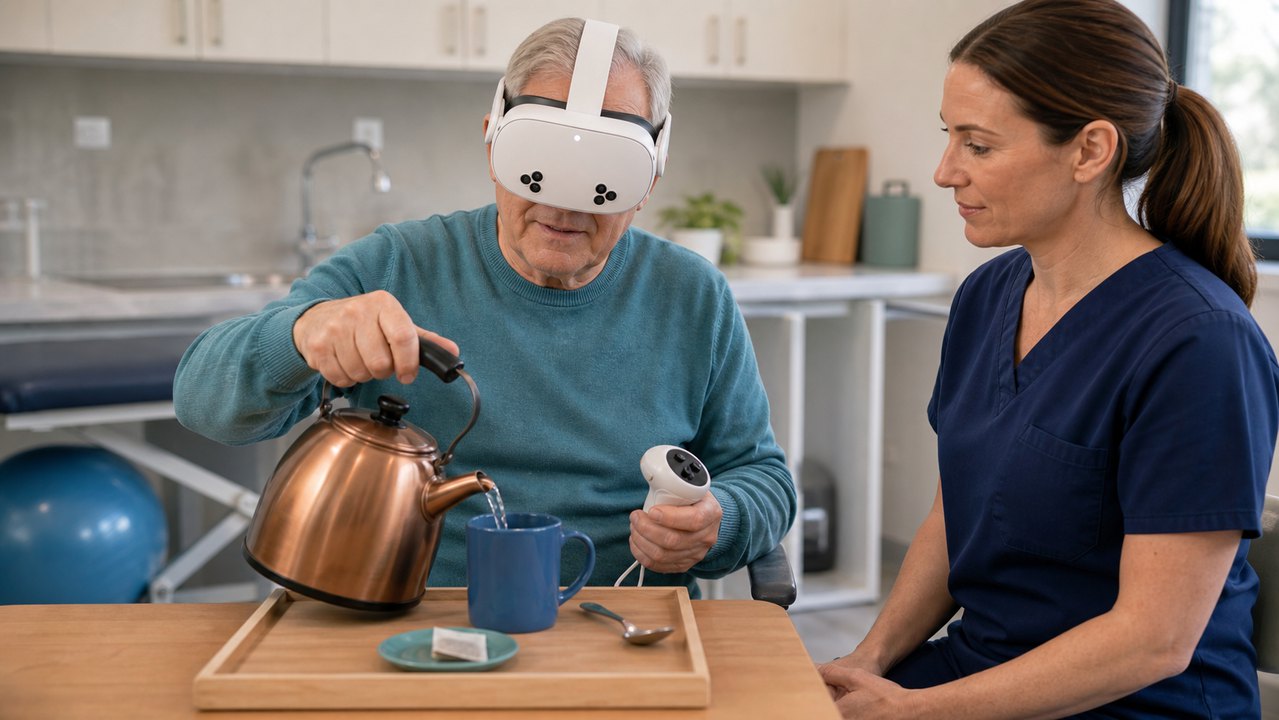 Start here
 Why Activities of Daily Living matter in stroke rehabilitation, and how ADL-based VR practice can make cognitive therapy more relevant to everyday recovery.
Read resource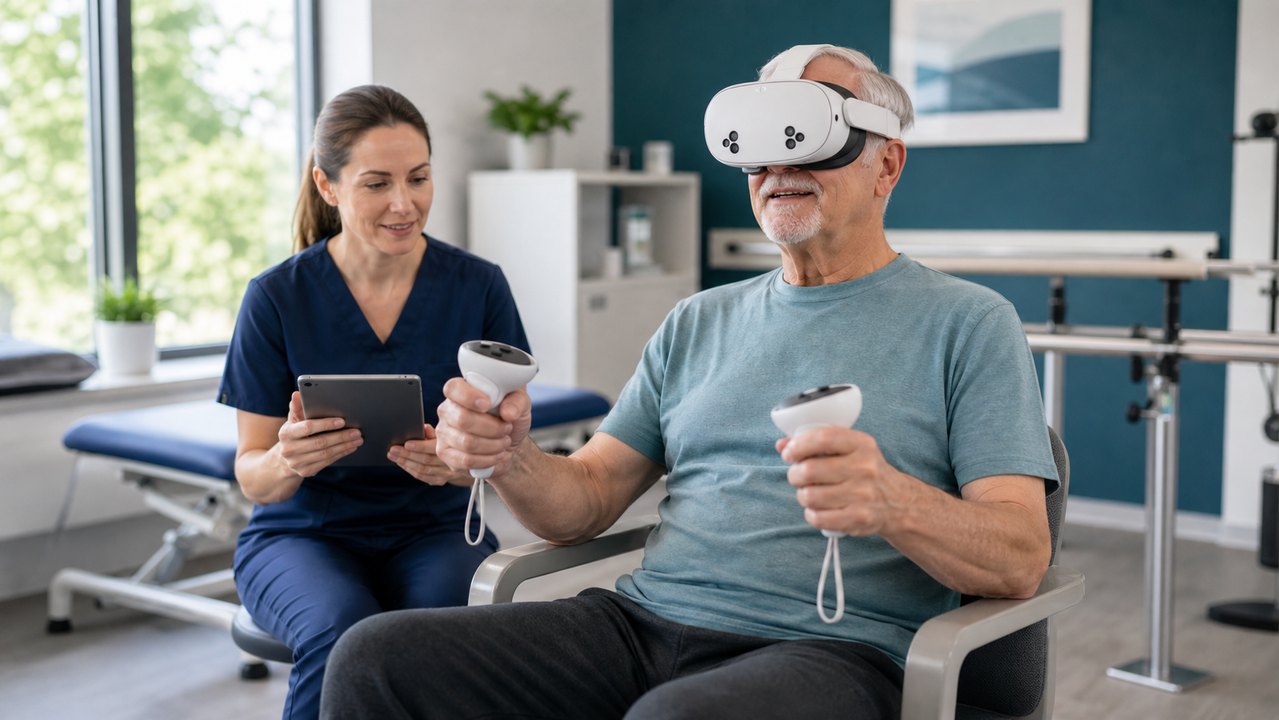 Start here
 A practical, evidence-aware overview of VR cognitive rehabilitation after stroke, including cognitive changes, clinical oversight, ADL practice, and where CorteXR Stroke fits.
Read resource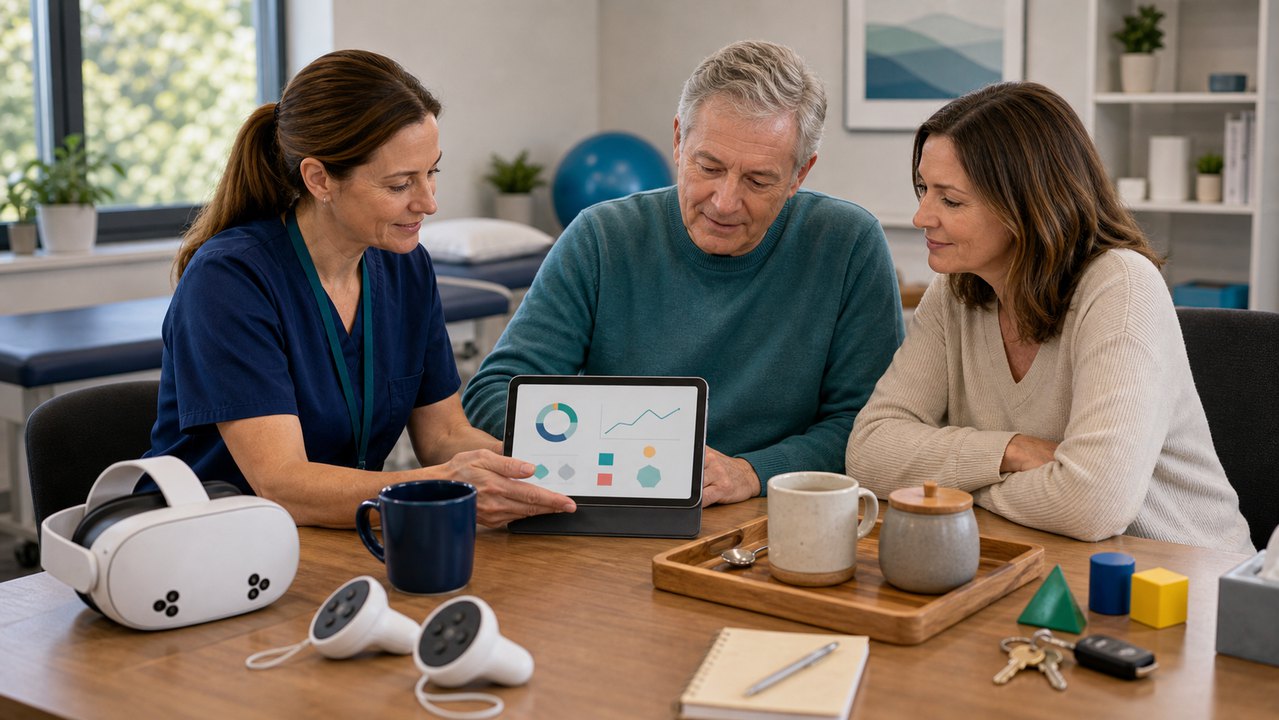 Start here
 A supportive introduction to cognitive rehabilitation after stroke for survivors, relatives, carers, and helpers, with practical guidance and trusted UK resources.
Read resourceCognitive difficulties
Use these pages to understand how attention, memory, planning, scanning, and fatigue can affect ordinary routines after stroke.
 Cognitive difficulties
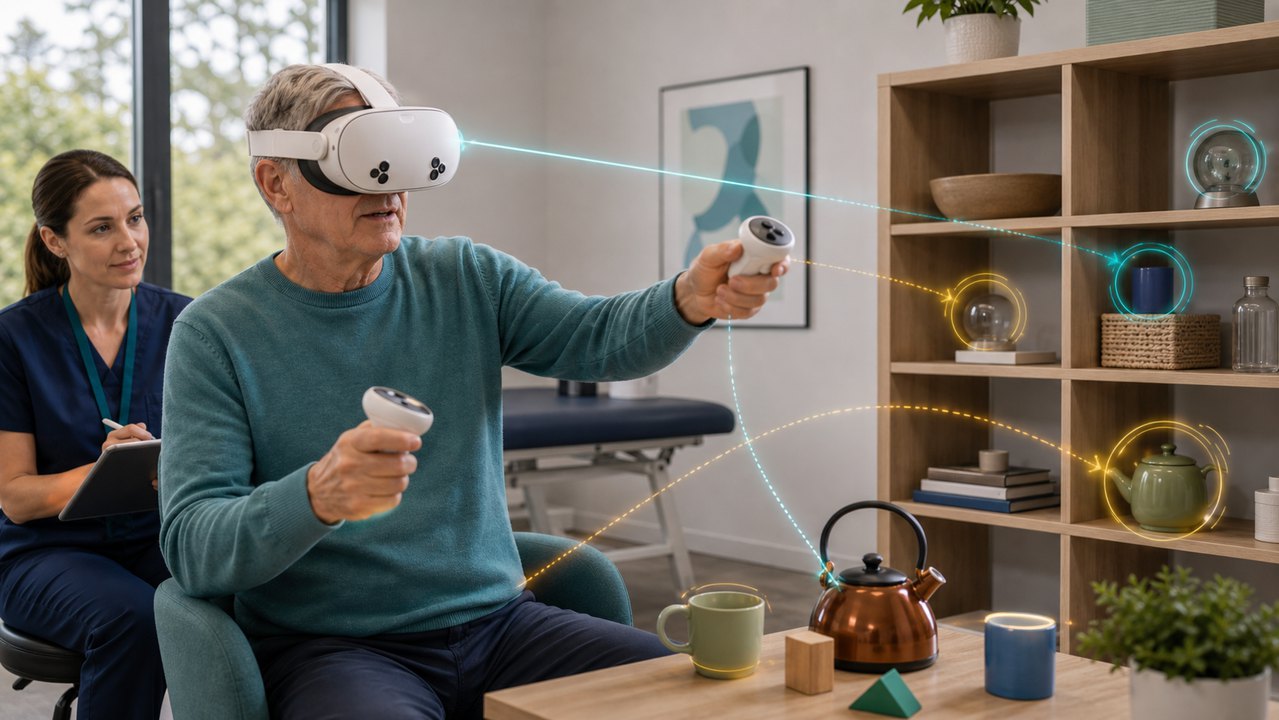
 How attention problems after stroke can affect everyday activities, and why cognitive rehabilitation often uses structured, meaningful task practice.
Read resource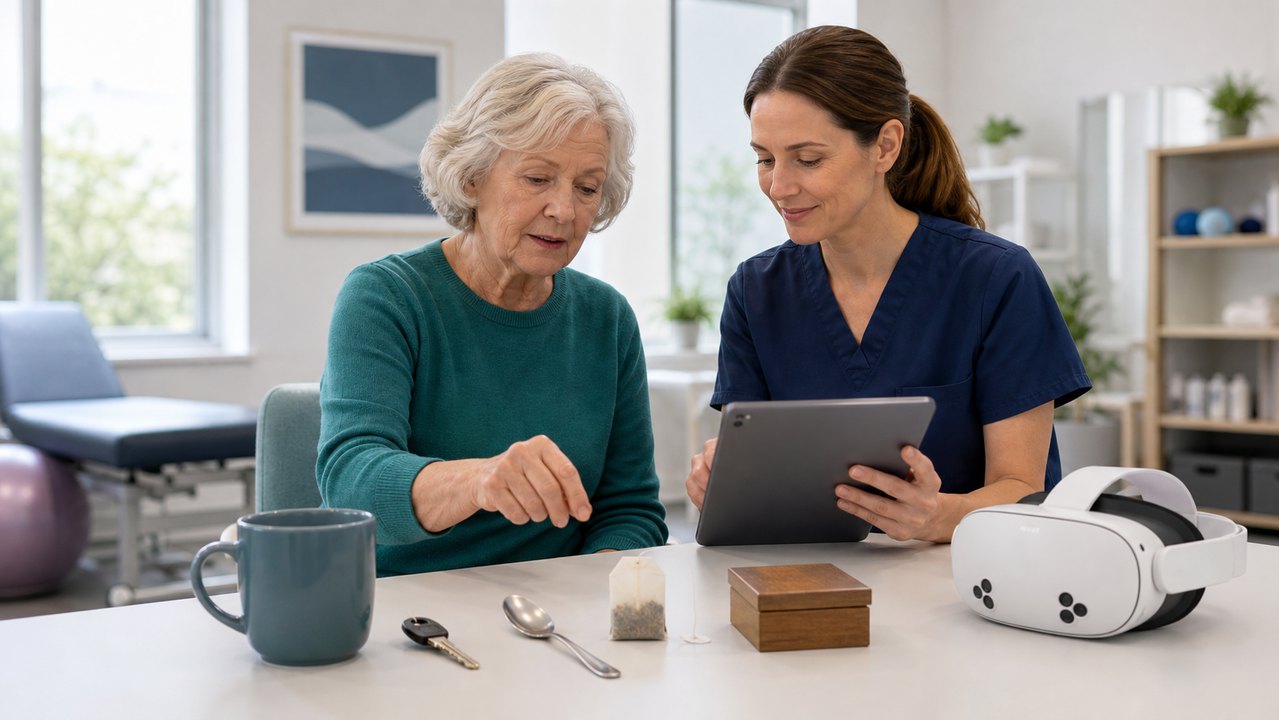 Cognitive difficulties
 A practical explanation of memory problems after stroke, how they affect daily routines, and how rehabilitation can support safer task practice.
Read resource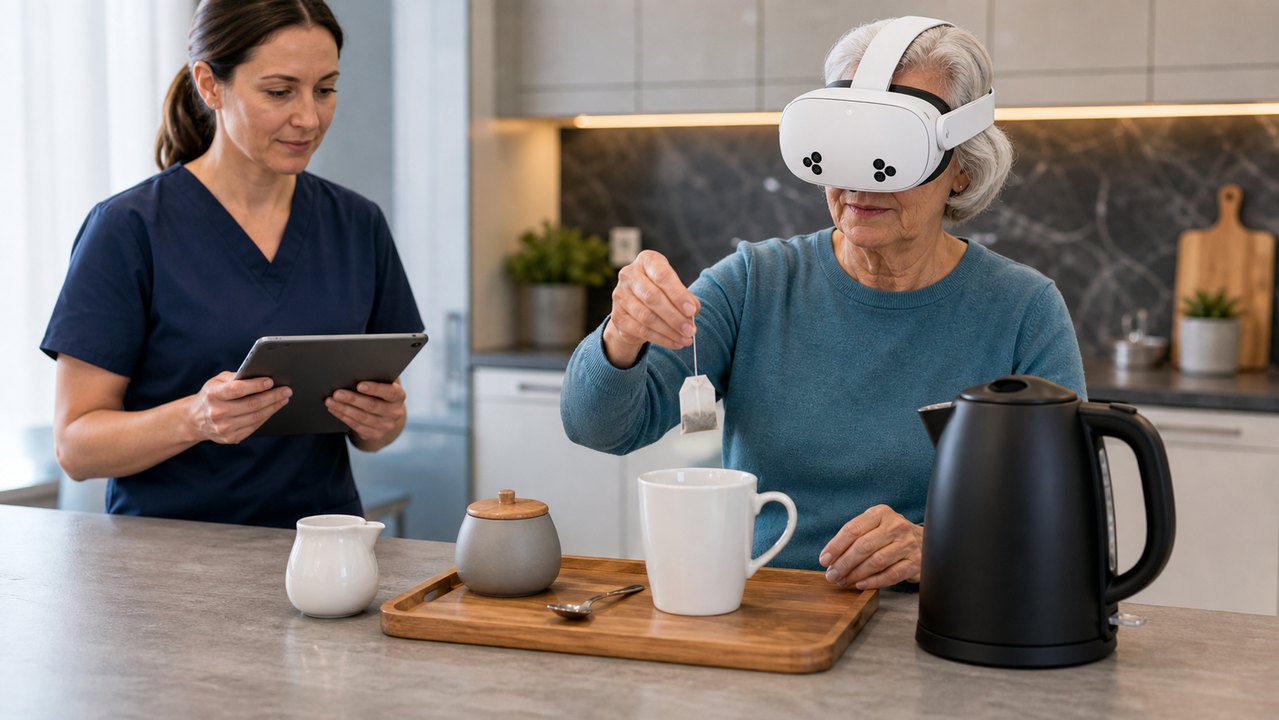 Cognitive difficulties
 How planning and sequencing difficulties after stroke affect everyday tasks, and how ADL-based cognitive rehabilitation can support practice.
Read resource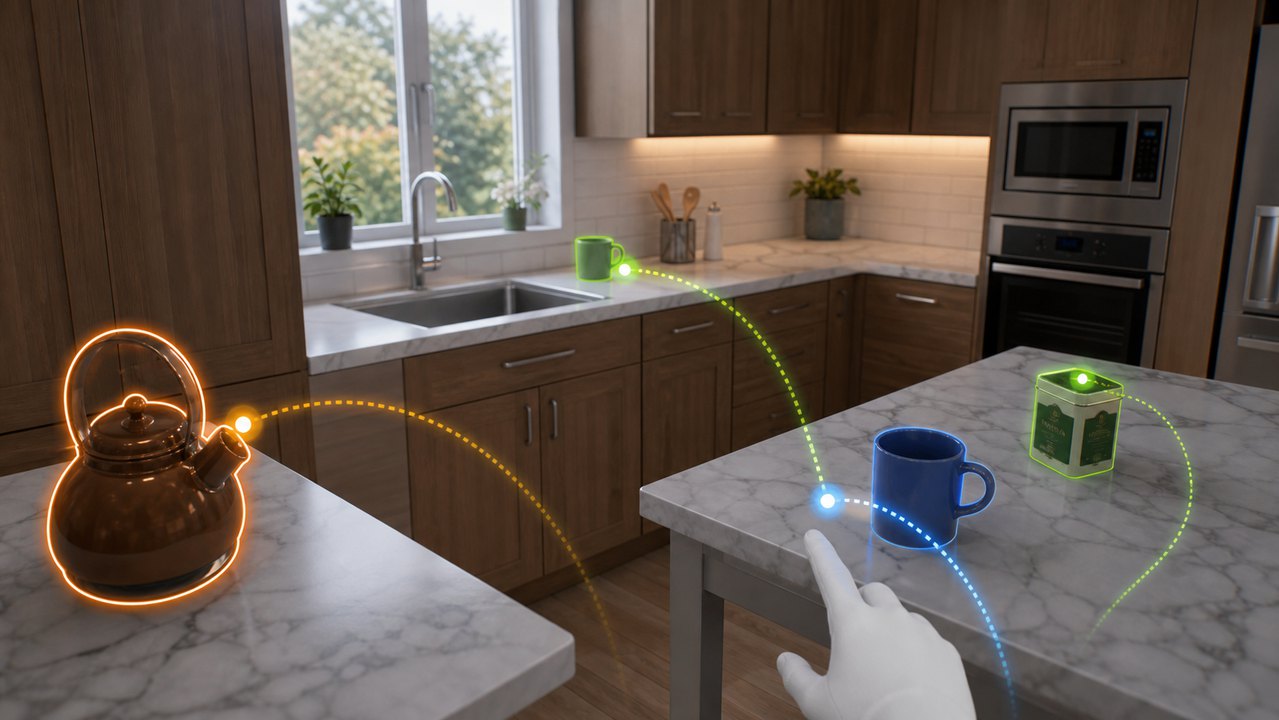 Cognitive difficulties
 Why visual scanning can be difficult after stroke, how it affects everyday activities, and how structured task practice may support rehabilitation.
Read resource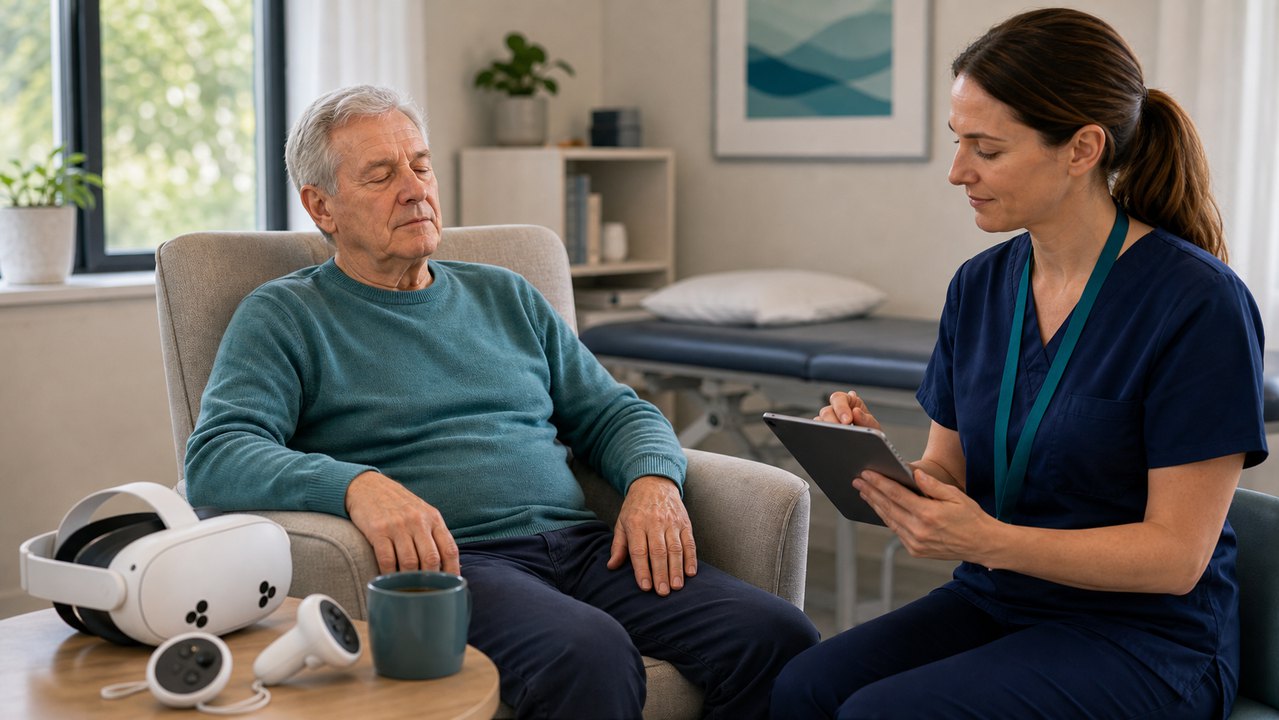 Cognitive difficulties
 How cognitive fatigue after stroke affects rehabilitation, daily activities, and home practice, with practical considerations for patients, families, and clinicians.
Read resourceADL task examples
These task pages show how familiar activities can be used to observe, grade, and discuss cognitive rehabilitation needs.
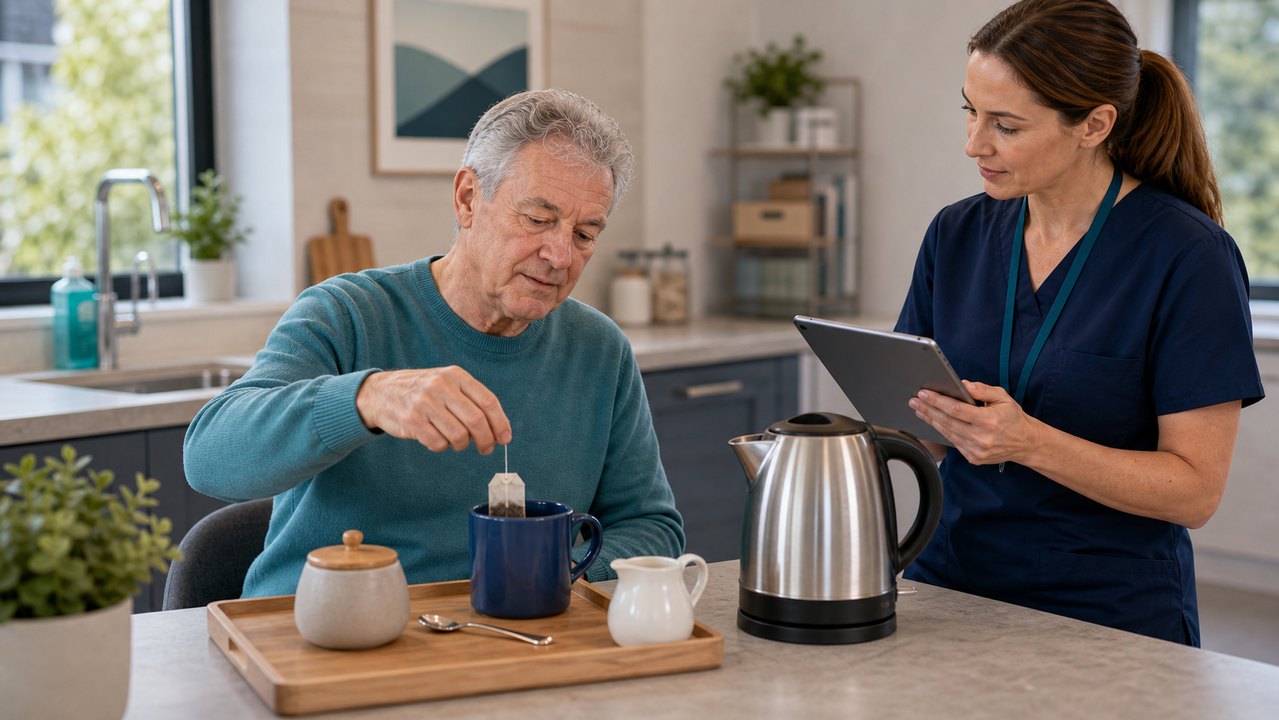 ADL task examples
 Why making a cup of tea can be a useful cognitive rehabilitation task after stroke, including attention, memory, sequencing, safety, and confidence.
Read resource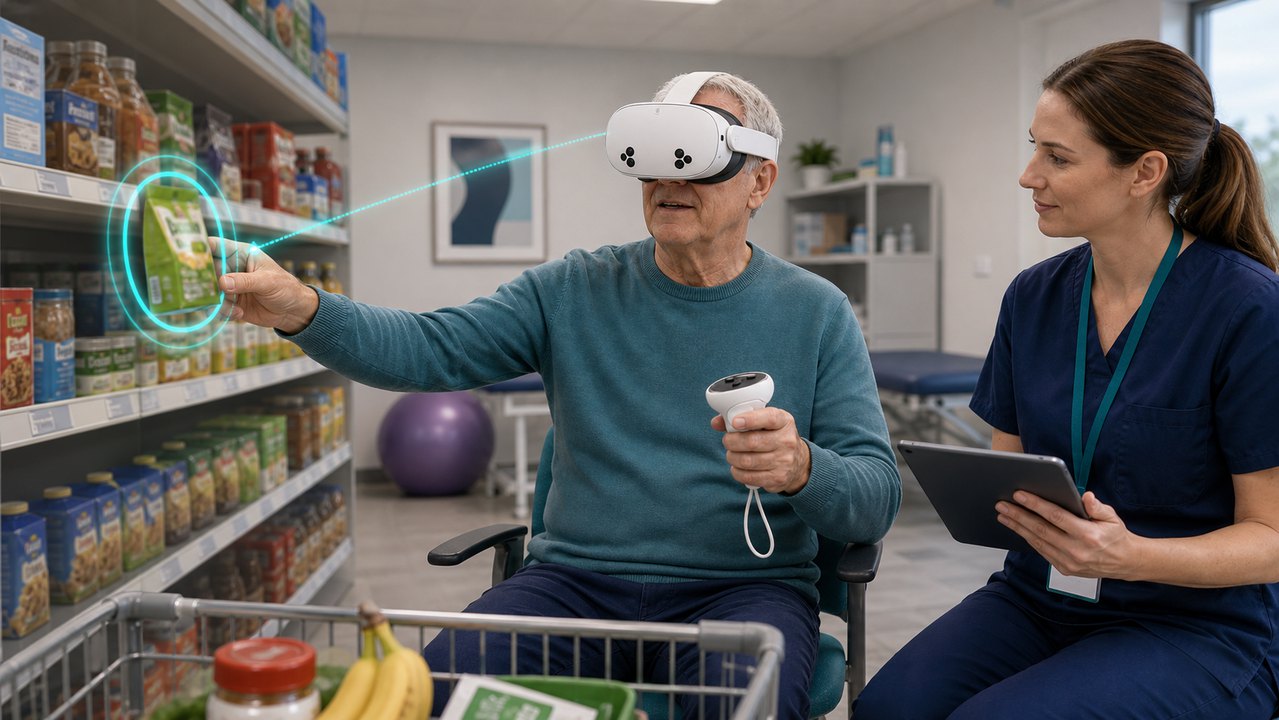 ADL task examples
 How shopping-style tasks can support cognitive rehabilitation after stroke by practising visual scanning, attention, memory, choice, and planning.
Read resource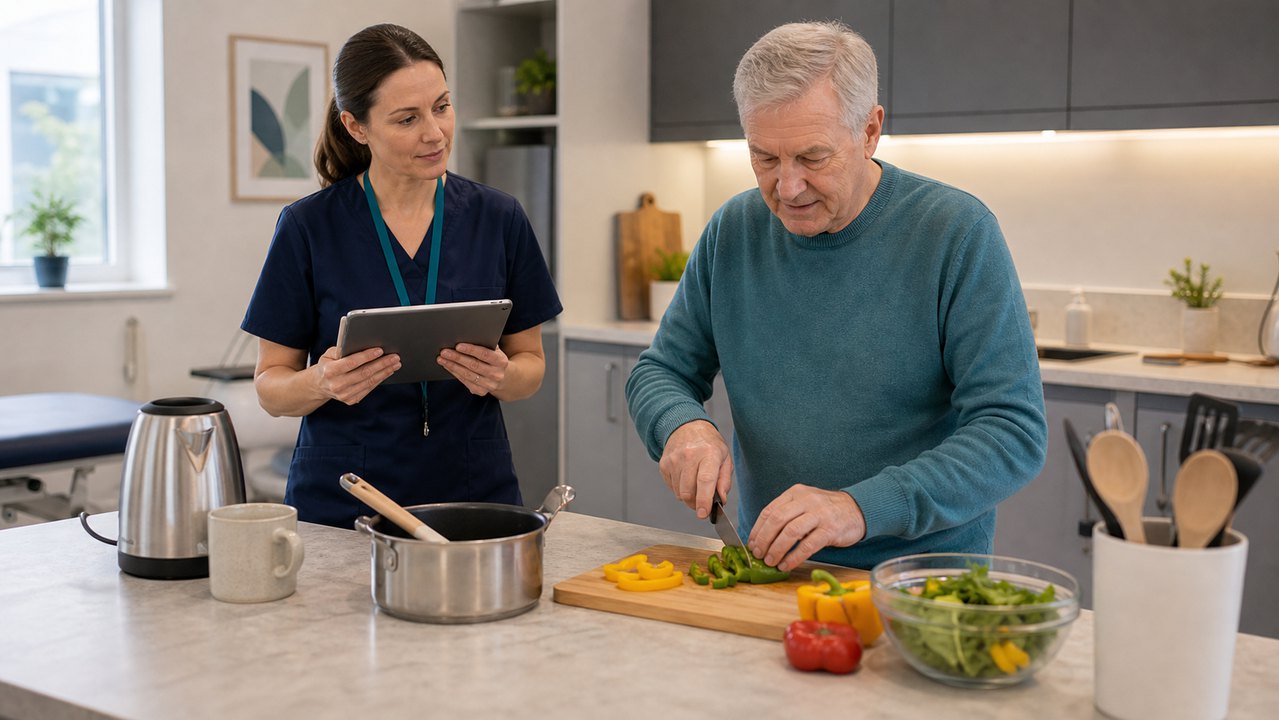 ADL task examples
 Why kitchen tasks can be useful in cognitive rehabilitation after stroke, and how they reveal attention, sequencing, memory, safety awareness, and problem-solving.
Read resource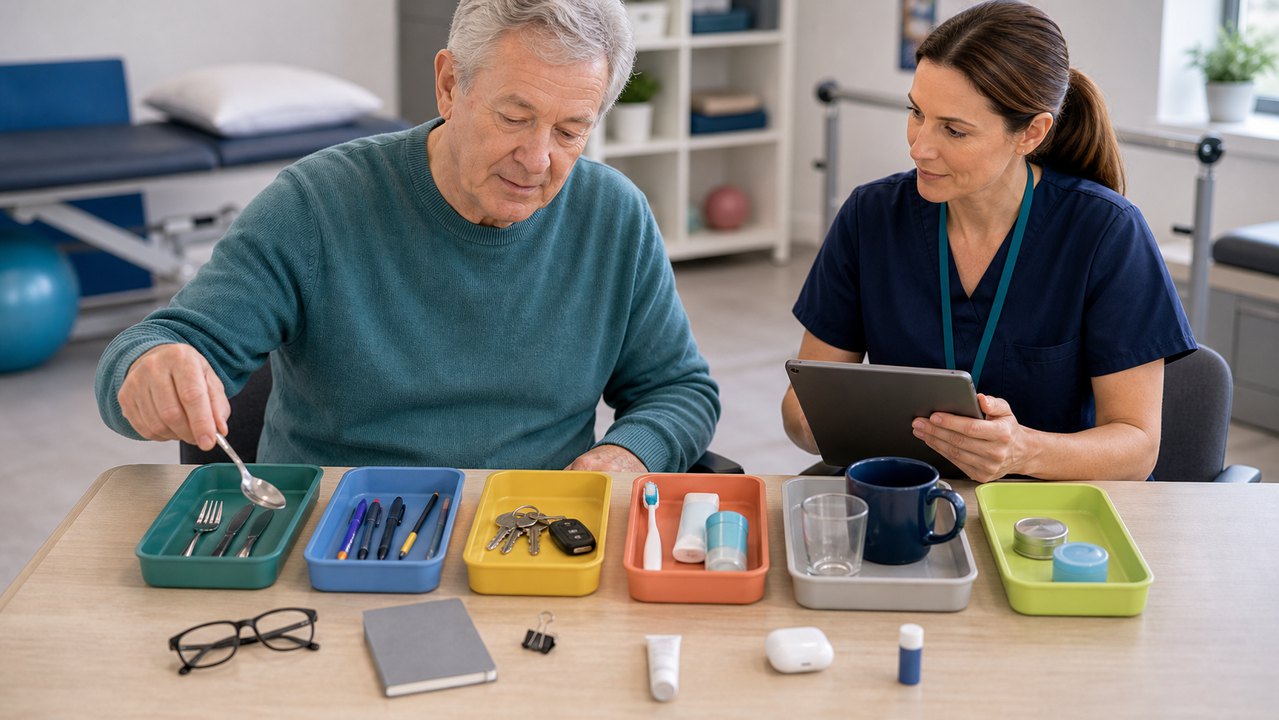 ADL task examples
 How object sorting tasks can support cognitive rehabilitation after stroke by practising attention, categorisation, visual scanning, sequencing, and error correction.
Read resourceService planning
These resources are aimed at clinicians, service leads, digital teams, and procurement stakeholders considering VR cognitive rehabilitation.
 Service planning
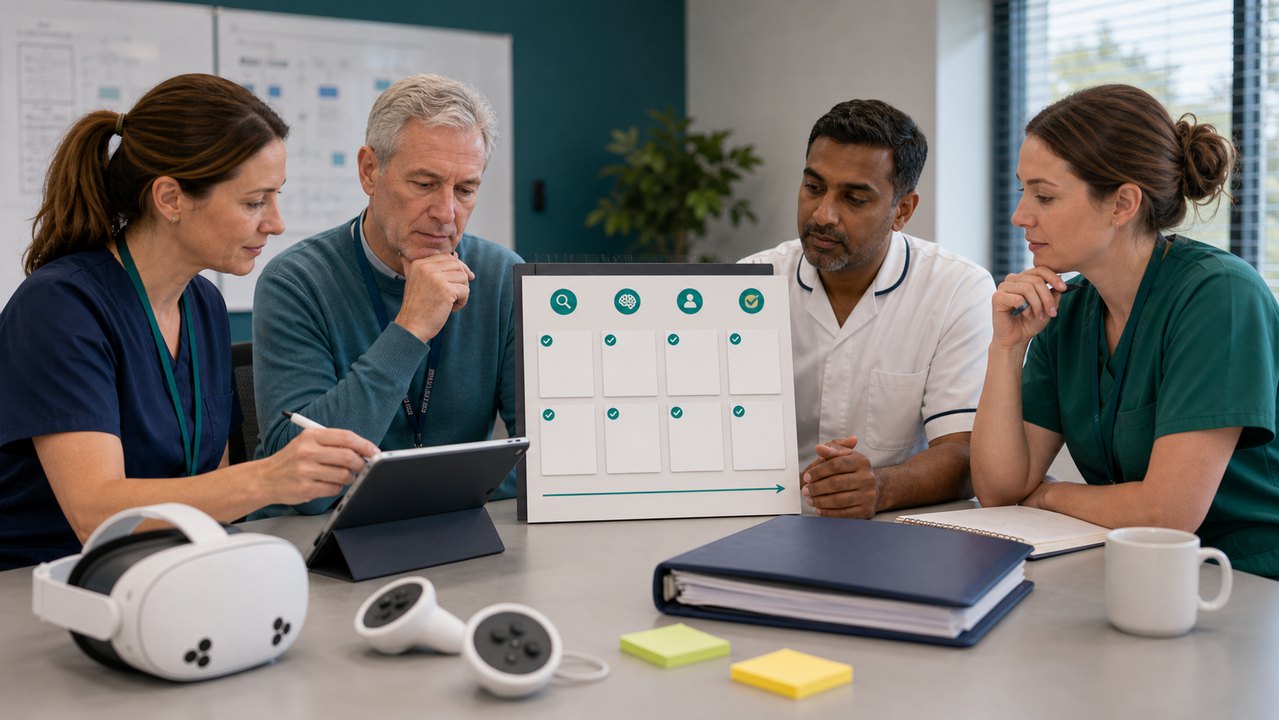
 A practical checklist for clinicians and service leads reviewing whether VR cognitive rehabilitation could fit a stroke rehabilitation pathway.
Read resource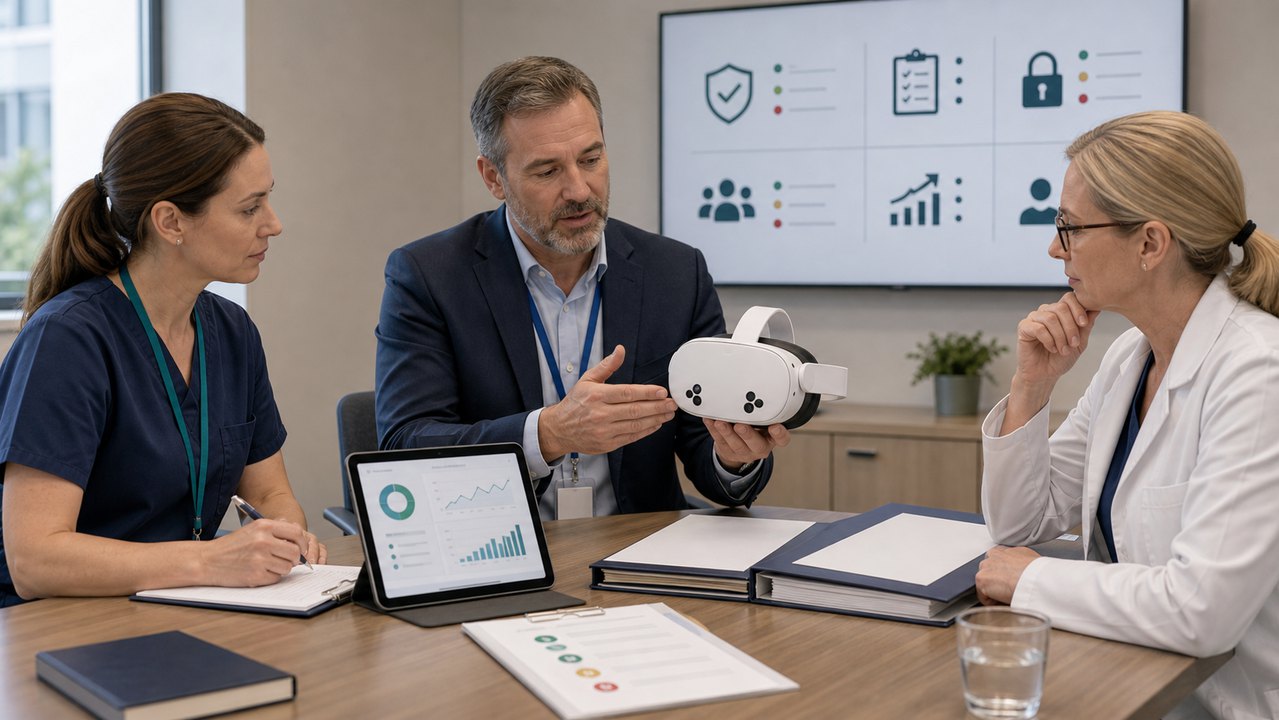 Service planning
 Key clinical governance questions for services evaluating VR rehabilitation technology, including safety, claims, evidence, data, support, and pathway fit.
Read resource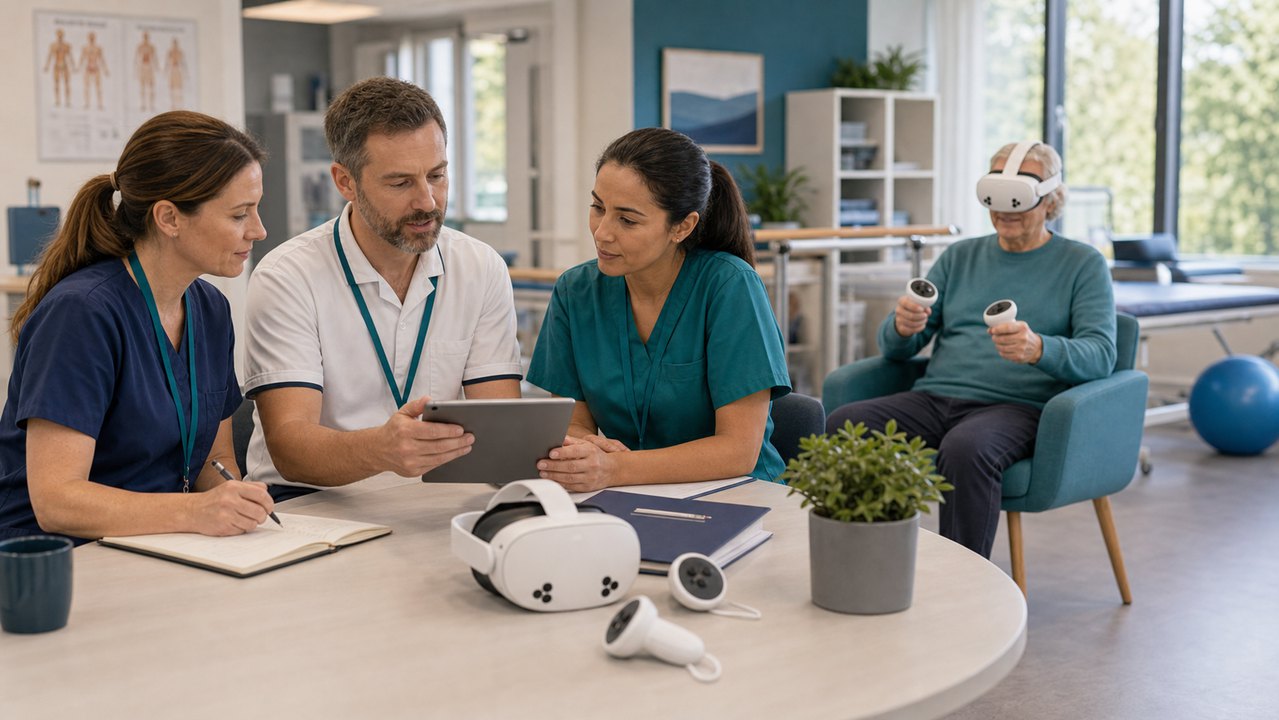 Service planning
 A clinically grounded overview of how VR can support stroke rehabilitation teams with structured practice, task grading, observation, and pathway continuity.
Read resource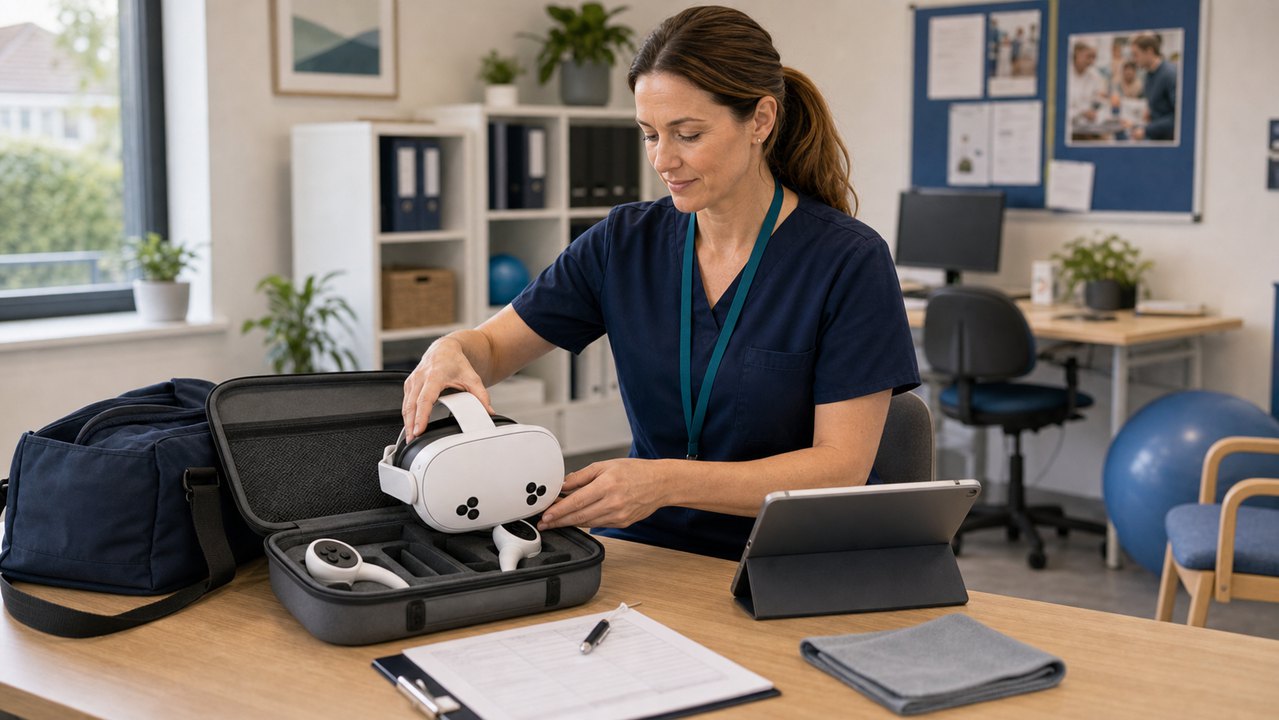 Service planning
 How digital tools can support community stroke rehabilitation services when they are clinically governed, practical to deploy, and connected to stroke rehabilitation pathways.
Read resource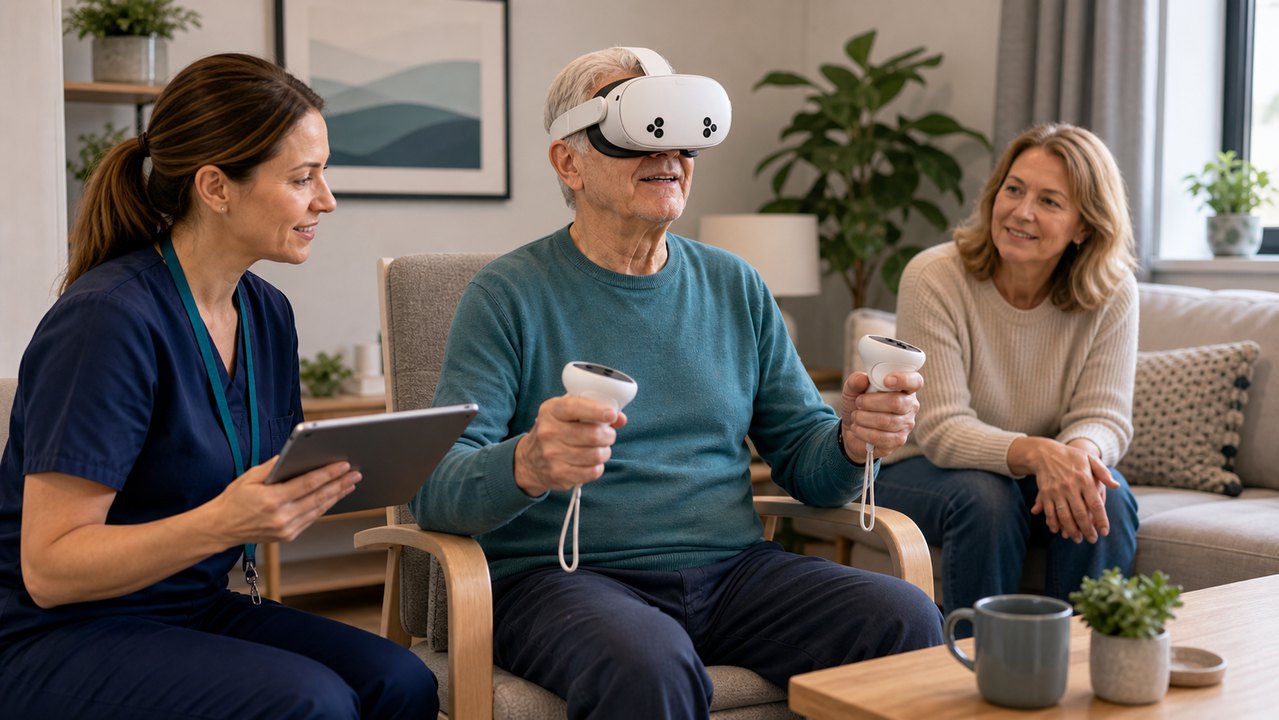 Service planning
 Practical considerations for using VR to support stroke rehabilitation at home, including safety, setup, helper roles, fatigue, and clinician oversight.
Read resourceMedical note: External links are provided for general information and signposting. Stroke survivors and families should follow advice from their GP, stroke consultant, therapist, or rehabilitation team.